Three F-15E Strike Eagles Lost to Friendly Fire Over Kuwait
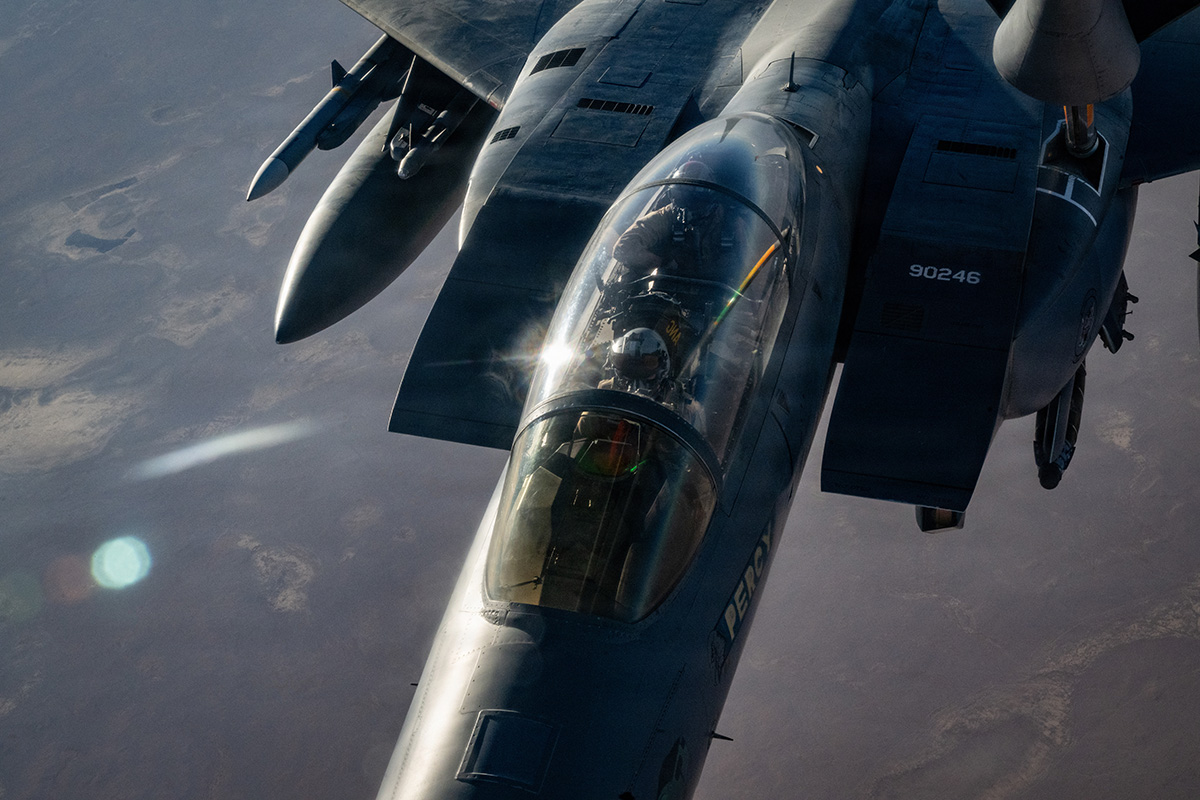
If the incident stems from air defense identification failures, it creates immediate pressure on CENTCOM to revise rules of engagement and air traffic management procedures, which will delay or complicate ongoing air operations in the region.
A procedural overhaul also affects training timelines and sortie scheduling for allied partners (particularly Gulf states operating alongside U.S. assets), introducing friction into coordinated operations during a period of heightened regional tension.
A loss of three advanced fighter aircraft in a single incident—regardless of cause—represents a significant materiel hit to regional air operations capacity.
If this reflects a breakdown in air traffic control, identification protocols, or coordination procedures between allied air assets in the theater, it exposes a procedural vulnerability that affects force readiness and operational planning.
The investigation outcome will determine whether this is an isolated systems failure or evidence of deeper integration problems among coalition partners operating in confined airspace.
The article does not specify: crew status (ejection, casualties); the identity of the friendly fire source (U.S. or allied air defense system); whether the aircraft were on a combat mission or transit; or the status of CENTCOM's investigation into root cause.
Fault Lines
Strategic intelligence, synthesized daily — with a public track record. Every call graded against what actually happened.