Russia Weaponizes Captured Ukrainian Drones Against NATO, Wounds Two in Romania
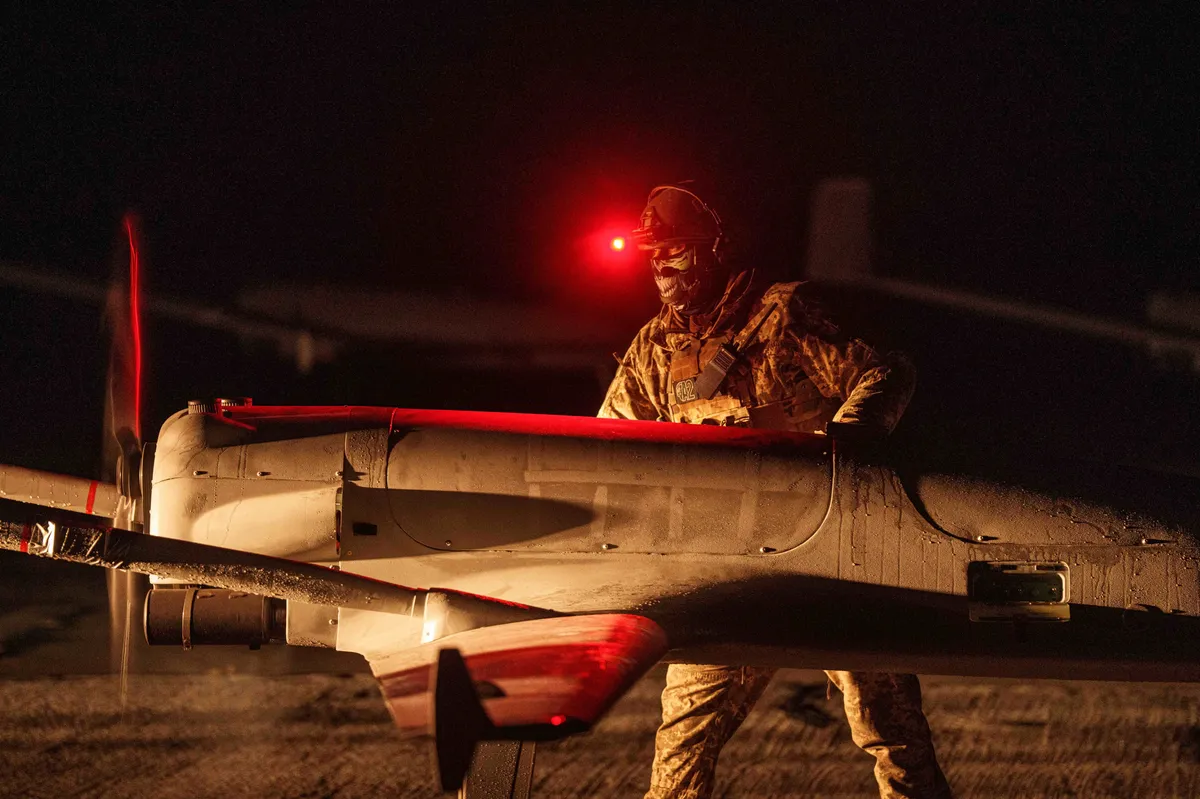
If Russia sustains drone strikes on Romanian territory at even a monthly cadence, Bucharest will demand either enhanced NATO air defense coverage (pulling resources from the Baltic or Poland) or unilateral Romanian procurement—likely Patriot batteries, which competes with Polish and Finnish Lot 17 allocations already tight in the FYDP.
The second-order effect: Lithuania's disclosure that Ukraine's own drones are being turned against NATO means every Switchblade, Loitering Munition, or Kamikaze platform donated to Kyiv now carries a seizure risk.
That directly constrains Swedish Gripen E-model negotiations with Ukraine (announced May 28) and forces Western donors to choose between arming Ukraine and protecting NATO rear areas—a choice that didn't exist 72 hours ago.
NATO's air defense posture now faces a two-source threat from the same platform, degrading the intelligence value of existing Ukrainian drone signatures and forcing allied air commands to treat every inbound contact as potentially hostile-controlled.
Romania's defense ministry and INDOPACOM's European command must now resource air defense against drones they previously tracked as Ukrainian-operated; this reallocation competes directly with the munitions replenishment timeline already strained by the Iran conflict (replenishment delayed to 2030-31 per prior Fault Lines reporting).
The casualty event itself—the first on NATO soil—triggers Article 5 notification requirements and forces Warsaw, Bucharest, and NATO command to decide whether to classify these incidents as armed attacks or probing operations; that classification determines whether air defense rules of engagement tighten or remain permissive.
Watch for Romanian and Polish air defense requests in the NATO supplemental or emergency procurement channels within 30 days.
Did Russian forces actually capture and reprogram Ukrainian drone systems, or are they launching their own platforms with Ukrainian-origin components? The distinction determines whether this is a temporary tactical problem or a structural vulnerability in allied drone supply chains.
Fault Lines
Strategic intelligence, synthesized daily — with a public track record. Every call graded against what actually happened.