German Defense Minister Pursues Tomahawk Purchase in Washington Despite Merz-Trump Tensions
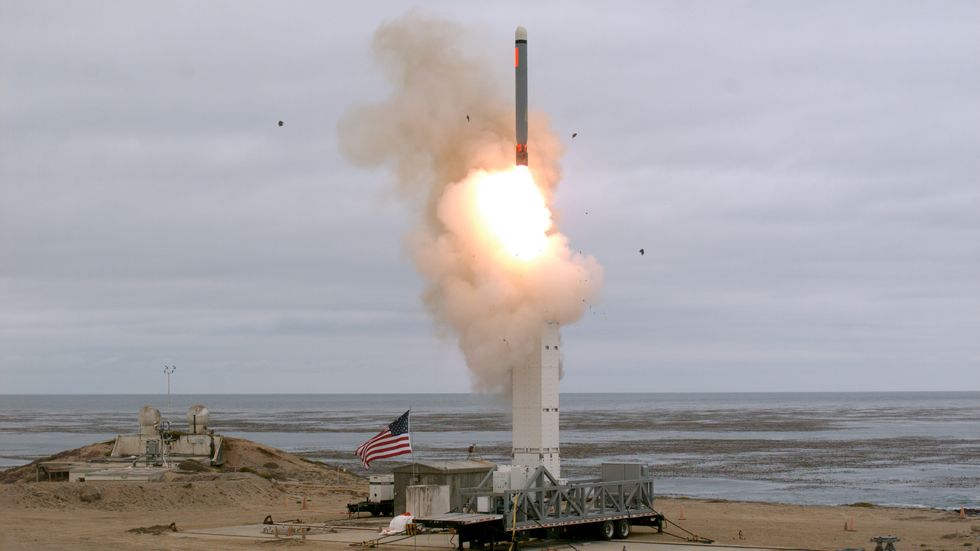
If Pistorius succeeds, Germany shifts from air defense dependency on Patriot/IRIS-T to a multi-layered system. This creates a procurement ripple: Rheinmetall (already bidding for German Naval Yards Kiel, per May 9 signal) would become the integration prime for Tomahawk ground launch, competing with Lockheed's own European support model.
The Typhon launcher commitment also locks Germany into the Army Tactical Missile System (ATACMS) ecosystem — a 15-year sustainment relationship. If Merz later blocks the deal to appease Trump, Germany's defense industrial base faces a credibility crisis with NATO allies already skeptical of German commitment post-Ukraine.
Pistorius's trip signals that Berlin is willing to compartmentalize defense procurement from political friction with Trump — a calculation that Germany's air defense gap outweighs near-term diplomatic risk.
Germany currently lacks long-range cruise missile capability and faces pressure from both NATO (which expects increased defense spending) and domestic political constraints on military spending.
If the Tomahawk deal closes, it commits Germany to $2B+ in foreign military sales and creates a 5-7 year integration timeline with NATO air defense architecture, locking in interoperability decisions that affect future European procurement patterns. Watch whether Merz publicly endorses or distances himself from the Pistorius visit — his response will clarify whether the Merz-Trump friction is tactical or structural.
What specifically triggered the Merz-Trump tensions over Iran? The article cites 'worsening relations' but doesn't detail the policy disagreement — is this about the May 7 U.S. strikes on Iranian facilities, German reluctance to support escalation, or something else?
Fault Lines
Strategic intelligence, synthesized daily — with a public track record. Every call graded against what actually happened.