UAE Reports 1,800+ Drones, Missiles Absorbed Since Conflict Began; Civilian Infrastructure Damage Mounting
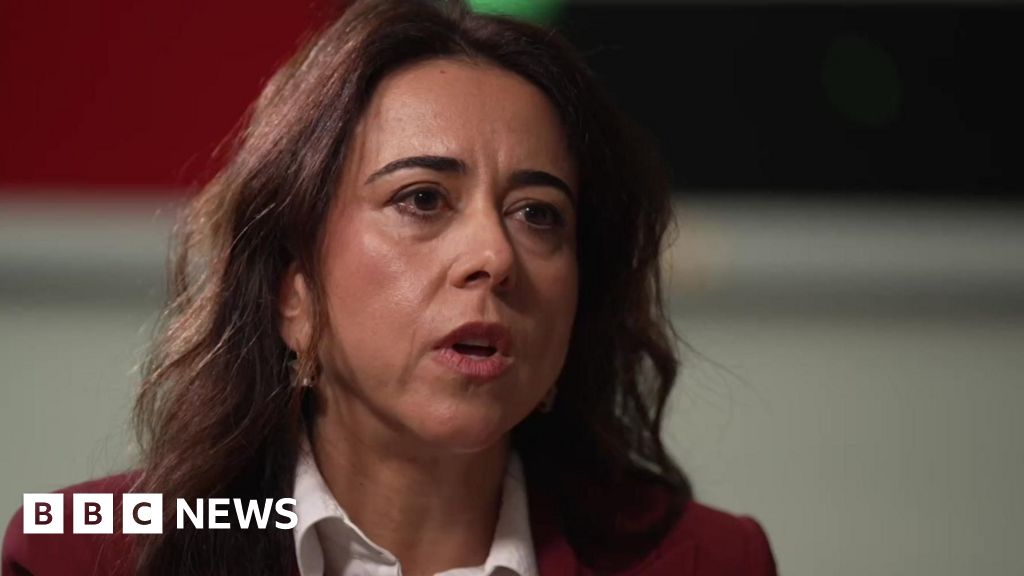
UAE air defense saturation directly constrains US/Israeli strike campaign tempo against Iran's nuclear and energy infrastructure.
If UAE intercepts are holding at 80%+ rates, the remaining 20% of 1,800 projectiles (360 impacts) still stress power grids and port operations — Qatar's helium shutdown (signaled March 12) and reported tanker strikes suggest Iran is deliberately targeting energy chokepoints to force UAE/Saudi defensive focus away from air superiority, freeing Iranian air assets for deeper strikes into Israel and the Gulf.
This is the first official UAE quantification of cumulative strike volume against its territory.
If accurate, it indicates Iran and allied forces have conducted sustained attacks on UAE air defense and critical infrastructure for at least 2-3 days at a tempo exceeding 600+ projectiles per day — a rate that challenges even layered air defense systems.
The absence of reported mass casualties or major infrastructure collapse suggests either effective interception (consistent with prior Saudi air defense claims) or strikes concentrated on hardened military targets.
The strategic implication: UAE's air defense architecture is holding under sustained saturation attack, but the volume indicates Iran is attempting to degrade Gulf Cooperation Council integrated air defense, not merely retaliate.
This matters for US force posture planning — if UAE air defense is the binding constraint on further US operations against Iran, strike campaign tempo may be limited by allied defensive capacity, not US offensive capacity.
The statement does not specify: the time window (72 hours? since March 9?), the breakdown between drones and missiles, interception rates by system type, geographic distribution of impacts, or damage to specific critical infrastructure (ports, refineries, power generation).
Fault Lines
Strategic intelligence, synthesized daily — with a public track record. Every call graded against what actually happened.