F130 Engine Test Deliveries in 2027 Extend B-52 Production Window Into 2050s
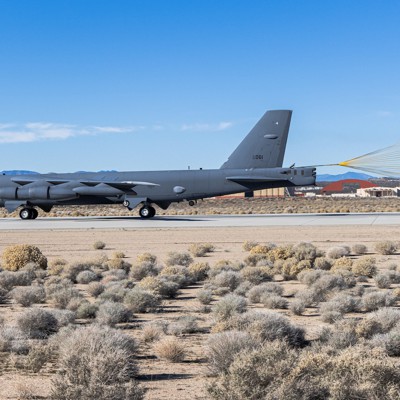
A 2027 engine test completion date directly gates Northrop Grumman's production ramp rate and Air Force sustainment planning.
If testing slips 12+ months, the Air Force must either accept a gap in B-52 deliveries (forcing extended TF33 overhaul contracts and pushing inventory risk into the 2035-2040 window when legacy engine supply becomes acute) or accelerate other modernization trades—likely avionics or defensive systems—to maintain production throughput.
This creates a capital reallocation decision at Northrop and a sustainment budget replan at Air Combat Command, both triggered by a single engine program milestone.
This is a schedule checkpoint, not a commitment.
A 2027 test delivery date suggests the program remains on track for integration into operational aircraft in the early 2030s, but engine testing historically surfaces integration issues that delay airframe production.
If the F130 test phase encounters thermal management or fuel-system compatibility problems—common in high-bypass engine retrofits—it compresses the window between test completion and first-unit-equipped deliveries, forcing Air Force to choose between accepting schedule slip or deferring other B-52 modernization (avionics, weapons integration).
GE/CFM's margin on this program depends on whether the Air Force absorbs cost growth from unexpected testing; current fixed-price incentive contracts may not. The 2027 gate also determines whether Northrop Grumman's B-52 production line expansion (currently ramping for fuselage work) must accelerate or can hold steady.
The article does not state whether 2027 refers to first-article test engine delivery or completion of all test article deliveries, nor does it specify whether this date assumes no integration delays or accounts for known risk areas (fuel system certification, thermal testing at altitude).
Fault Lines
Strategic intelligence, synthesized daily — with a public track record. Every call graded against what actually happened.