UK-Australia Radar Integration Talks Advance AESA Adoption for Royal Navy
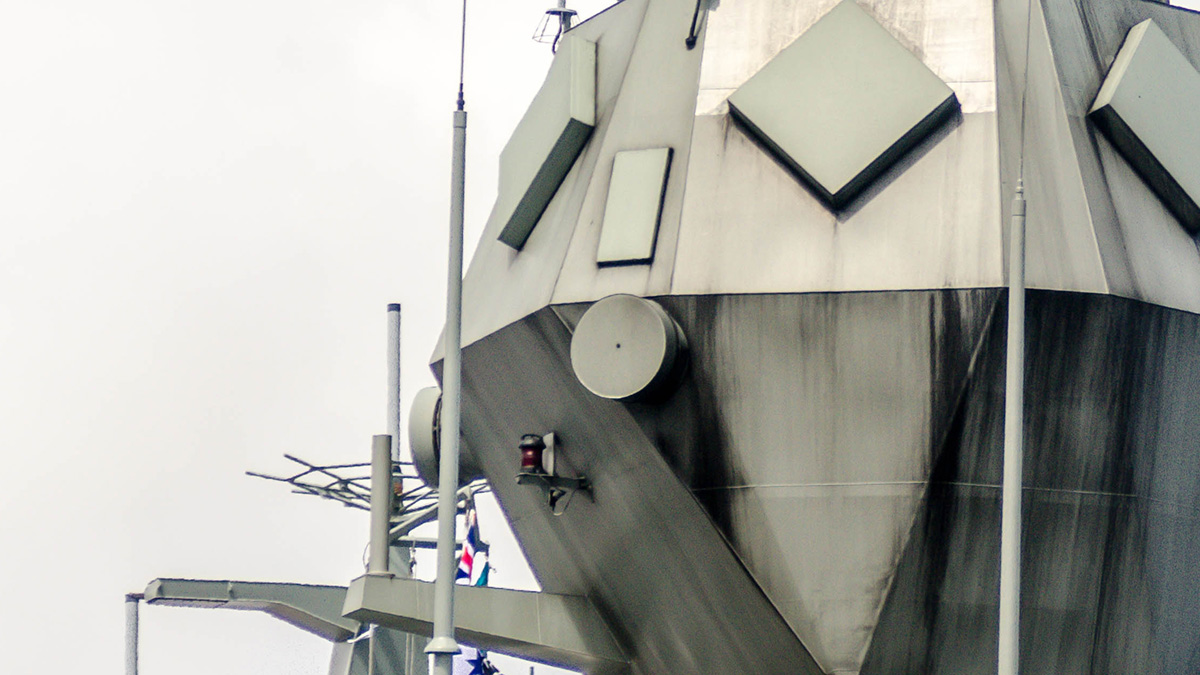
Adoption of Australian AESA would expand the Five Eyes radar supply base beyond Raytheon and Lockheed Martin, reducing single-source risk on critical naval sensors.
However, it also creates a precedent for non-UK radar on British warships, which could invite pressure from domestic suppliers (BAE Systems, Leonardo) to protect future procurement through industrial policy arguments — potentially delaying Type 26 and Type 31 upgrades if the decision becomes politically contested.
This signals UK willingness to adopt non-domestic radar on frontline naval platforms, a reversal from historical preference for British-designed systems (Sampson, SMART-L).
If procurement proceeds, it reduces BAE Systems' monopoly on Royal Navy radar integration and creates an opening for Australian Defence Science and Technology Group (DSTG) or Raytheon Australia in UK supply chains.
The decision hinges on whether AESA performance meets Type 26/Type 31 specifications and whether UK industrial policy permits non-NATO-member technology on sensitive platforms — both unresolved in this article.
The article does not specify which warship classes are under consideration, whether this is a retrofit or new-build requirement, estimated procurement value, or the technical evaluation criteria driving the decision.
Fault Lines
Strategic intelligence, synthesized daily — with a public track record. Every call graded against what actually happened.