Ukraine confirms strike on Ilsky refinery; Russian fuel supply resilience under test
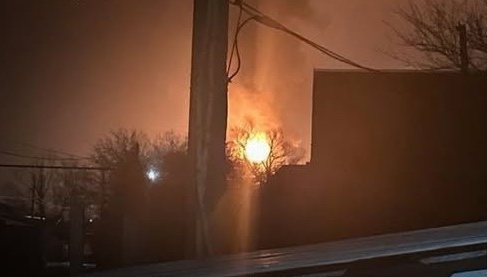
Ukrainian strikes on Russian refinery capacity create a cumulative attrition dynamic: each successful strike narrows Moscow's fuel surplus and forces either increased imports (straining foreign exchange and triggering secondary sanctions exposure) or domestic rationing that cascades into force mobility constraints.
This is a power projection problem—not a market one—because the outcome hinges on Russian air defense effectiveness and refinery repair rates, not commodity pricing. If Russia cannot reconstitute refinery capacity faster than Ukraine destroys it, fuel scarcity becomes a hard ceiling on operational tempo.
If confirmed and operationally significant, this marks continued Ukrainian targeting of Russian rear-area energy infrastructure—a pattern that pressures Moscow's fuel supply chain and forces resource allocation to air defense.
The strategic value depends on three unknowns the article does not address: refinery damage extent, repair timeline, and whether this refinery supplies frontline operations or civilian/export markets. Without damage assessment, we cannot determine whether this is a temporary disruption or a meaningful constraint on Russian logistics.
Watch for Russian statements on damage and operational status; absence of denial typically signals material impact.
No damage assessment, casualty figures, repair timeline estimates, or Russian response. No clarity on the refinery's role in Russian supply chains (frontline fuel vs. civilian/export capacity). No technical details on strike method or scale.
Fault Lines
Strategic intelligence, synthesized daily — with a public track record. Every call graded against what actually happened.