SBU Blocks Russian Intelligence Recruitment at Zaporizhzhia Defense Plant
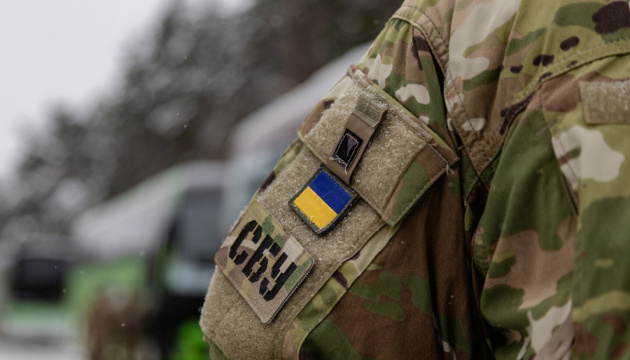
Insider recruitment at defense plants directly feeds Russian targeting of Ukrainian weapons production schedules, component sourcing, and NATO-interoperable system specifications.
If Russian services are shifting from network-based recruitment to direct placement, it suggests previous human intelligence networks in Ukrainian defense sectors have been degraded—either through SBU counterintelligence operations or attrition during occupation and displacement.
This raises operational security requirements for Western partners embedded in Ukrainian supply chains: vetting of new hires, compartmentalization of sensitive technical data, and coordination with SBU on cleared-personnel lists will become conditional for continued co-production access.
This confirms active Russian human intelligence collection targeting Ukrainian defense industrial capacity in a region hosting critical weapons production.
The attempt to place an agent inside a facility—rather than recruiting existing personnel—suggests either degraded Russian network access in occupied or contested areas, or a shift toward fresh asset development.
For Ukrainian defense contractors and their Western partners (Raytheon, Lockheed, MBDA, and others with co-production or supply relationships), this is a data point on counterintelligence risk: Russian services are still probing industrial security postures, and insider threats remain a live concern in supply chains feeding NATO allies.
The SBU's public disclosure may also signal confidence in their vetting procedures, though the lack of operational detail limits assessment of whether this represents a systemic vulnerability or an isolated approach.
What specific defense program or facility was targeted? What was the recruitment vector (job posting, social engineering, false identity)? What intelligence discipline or access level was the agent seeking? Was this part of a broader recruitment campaign, or an isolated attempt?
Fault Lines
Strategic intelligence, synthesized daily — with a public track record. Every call graded against what actually happened.