PrSM Increment 2 Clears Moving-Target Maritime Test; Army Expands Strike Range Into Naval Domain
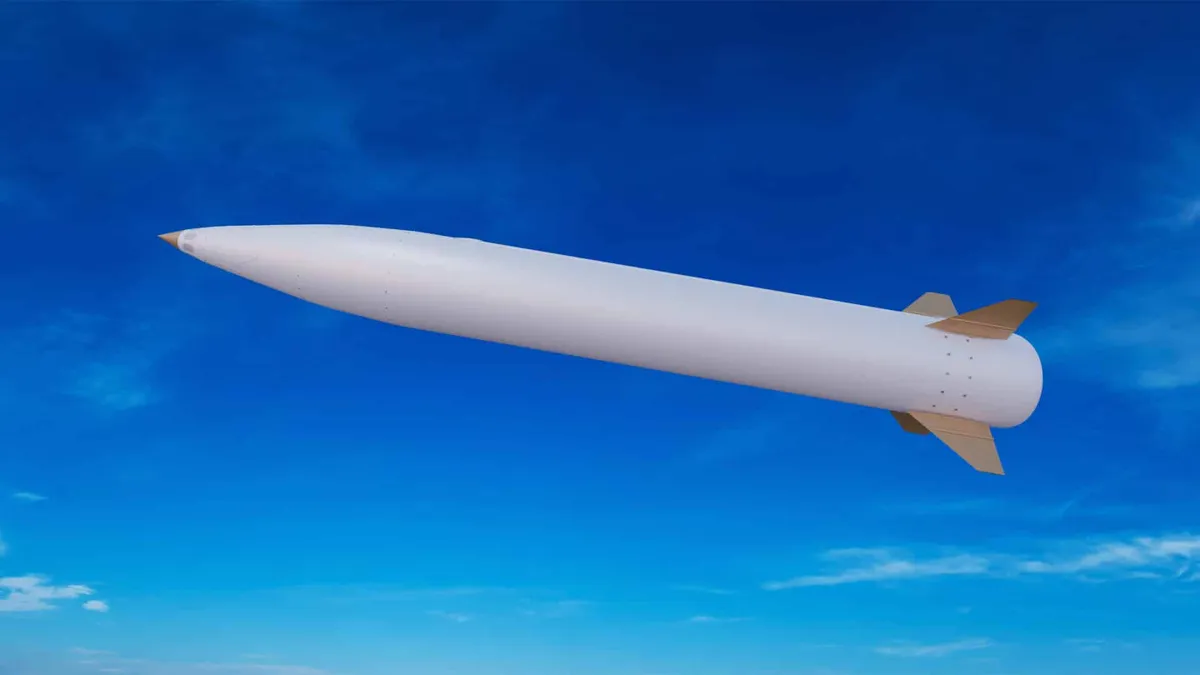
PrSM Increment 2's maritime strike capability creates an alternative to air-delivered anti-ship munitions in contested airspace.
If the Army accelerates Increment 2 production and deploys units to forward positions (e.g., Iraq, UAE, Diego Garcia), it reduces reliance on F-15E and B-1B strike sorties to interdict Iranian naval assets or enforce Hormuz access — freeing air assets for other missions and lowering pilot attrition risk.
This shifts anti-ship responsibility from Air Force to Army, which has downstream implications for joint force structure and Air Force procurement priorities.
PrSM Increment 2 adds a naval strike option to Army inventory at a moment when regional air defense saturation and Hormuz transit disruption are driving demand for distributed, land-based anti-ship fires.
However, the signal itself is a capability maturation milestone, not a response to current Middle East operations. The test timing coincides with maximum demand (active Iran conflict, oil disruption), but the article provides no evidence the test was accelerated or reprioritized due to operational need.
For Army program managers, this validates the Increment 2 baseline and likely unblocks follow-on production decisions. For Navy-Air Force coordination, it clarifies which service owns the maritime strike mission in contested environments — a question that has remained unresolved in joint doctrine. The real decision point arrives when procurement quantities and deployment timelines are announced.
The article does not specify test parameters (range, target type, guidance mode), production timeline, or whether this success triggers acceleration of Increment 2 fielding to active theaters.
Fault Lines
Strategic intelligence, synthesized daily — with a public track record. Every call graded against what actually happened.