Turkey-Egypt Naval Talks Aim for MILGEM-Style Shipbuilding Partnership in Eastern Mediterranean
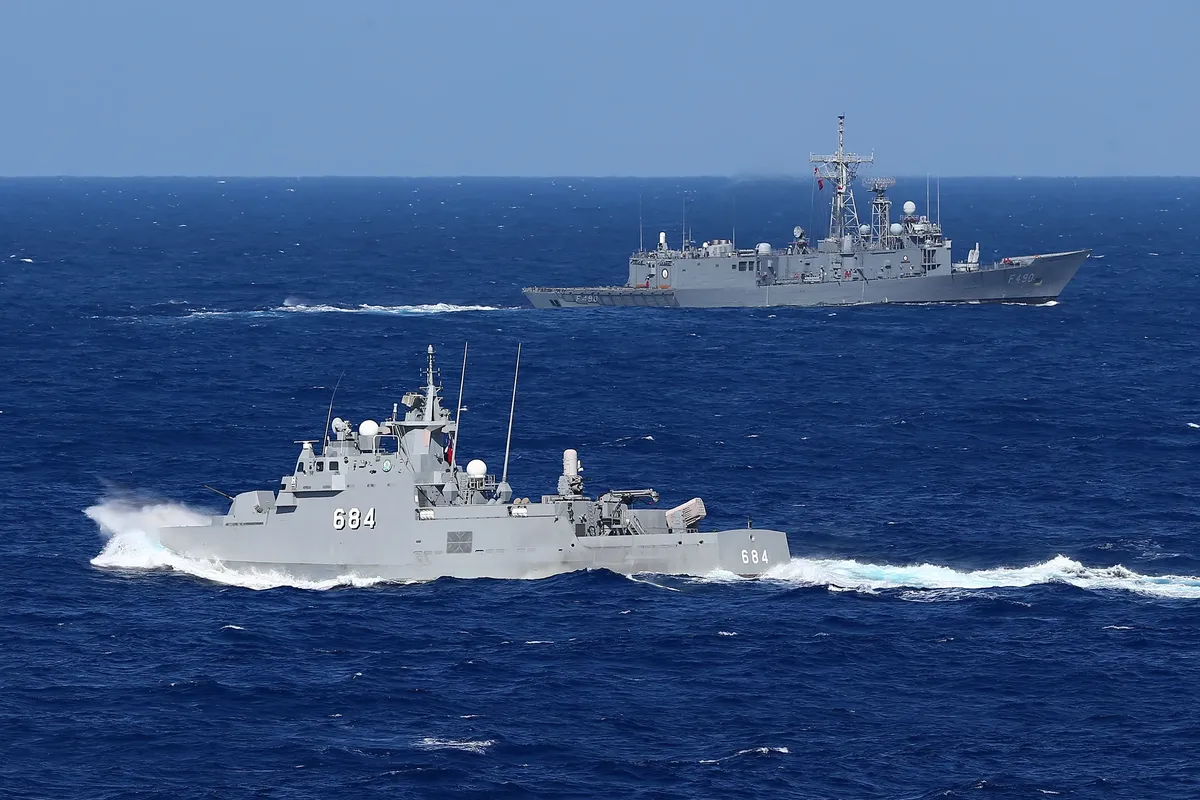
The MILGEM model transfers design authority and production capacity to the partner country over time, which is precisely what makes it attractive to Egypt and threatening to European suppliers.
If Turkey secures an Egyptian shipbuilding agreement, it gains a Mediterranean yard that can produce hulls for third-party export under a joint flag — a capability that would let Ankara bid on North African and Gulf naval tenders it currently cannot service at scale. Naval Group's existing Egyptian frigate relationship becomes the first contract at risk when Egypt's next surface combatant procurement cycle opens.
Egypt's navy acquiring MILGEM-derived hulls would give Turkey a second Arab partner in a co-production framework that has already placed Ada-class corvettes with Pakistan, Ukraine, and Malaysia, expanding Ankara's footprint in a region where France and the US have historically dominated naval exports.
The Benghazi ratification of the Turkey-Libya EEZ agreement, occurring 15 days before this announcement, removes the legal ambiguity that had made the 2019 deal a contested instrument — Greece now faces a unified Libyan position backing Turkish maritime claims in the Eastern Mediterranean, tightening the pressure on Athens in ongoing EEZ disputes.
If Egypt formalizes a shipbuilding agreement, Naval Group and Fincantieri — both active in Egyptian procurement — face a direct competitor with lower price points and a proven co-production model.
Has Egypt's defense ministry formally authorized a MILGEM feasibility study, or is Tatlıoğlu's announcement aspirational positioning ahead of a broader defense MOU?
Fault Lines
Strategic intelligence, synthesized daily — with a public track record. Every call graded against what actually happened.