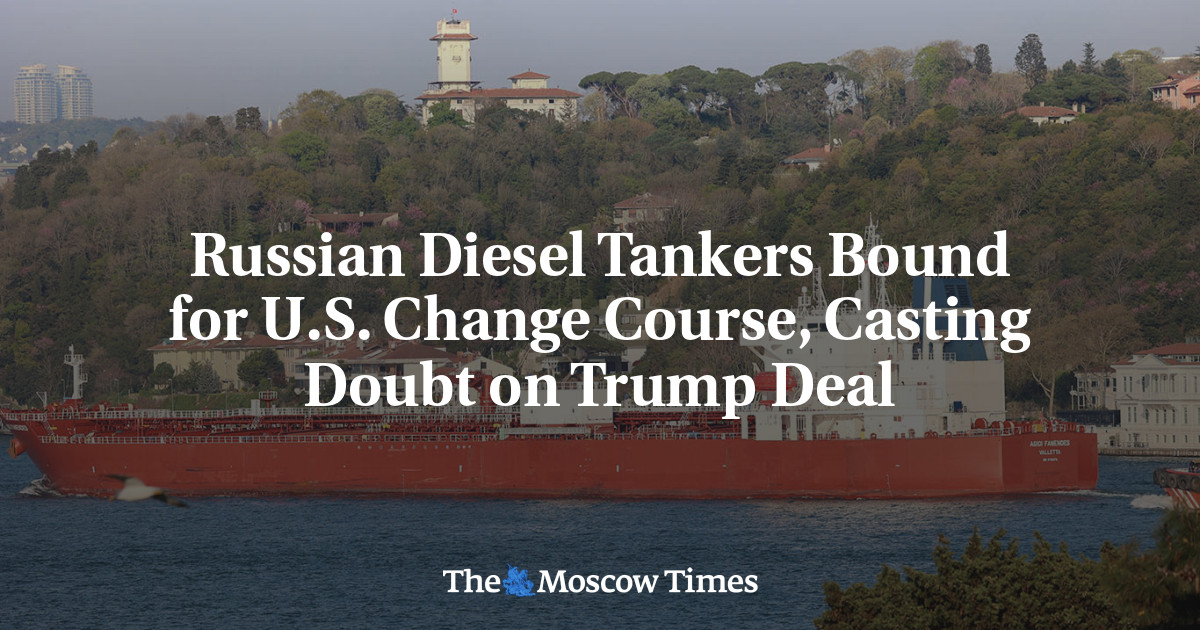
Two Russian Diesel Tankers Divert From U.S.; Legal Threats From States Block Offloading
The deal's collapse exposes the limits of executive authority over energy infrastructure when Congress and state governments align against it. Sherrill's threat of state-level fines against private operators creates legal jeopardy that no federal waiver can override — port operators now face a choice between Trump's energy policy and their own liability.
The Senate's document-preservation order signals Democrats are already building a prosecutorial case, which will chill any future attempt to revive the deal even if Trump survives the political blowback.
New Jersey Governor Mikie Sherrill just weaponized state enforcement against the Trump administration's energy policy, threatening millions in fines against port operators who offload Russian fuel — a direct institutional veto that bypasses federal authority.
The Senate Foreign Relations Committee simultaneously ordered banks, port operators, and companies to preserve documents for oversight when Democrats take control Congress in January, signaling intent to prosecute the deal retroactively.
Trump announced the agreement after a Putin call last month claiming 300,000 tons would arrive 'immediately,' but legal threats from state and federal actors have now made U.S. offloading untenable, collapsing the deal before the first cargo landed.
Did the Trump administration consult with port operators and state authorities before announcing the diesel deal, or was the announcement made without vetting feasibility? If the latter, this is a major intelligence and coordination failure inside the administration.
Fault Lines
Strategic intelligence, synthesized daily — with a public track record. Every call graded against what actually happened.