Belgian-Dutch rMCM Program Advances: M943 Liège Launched, M945 Rochefort Steel Cut
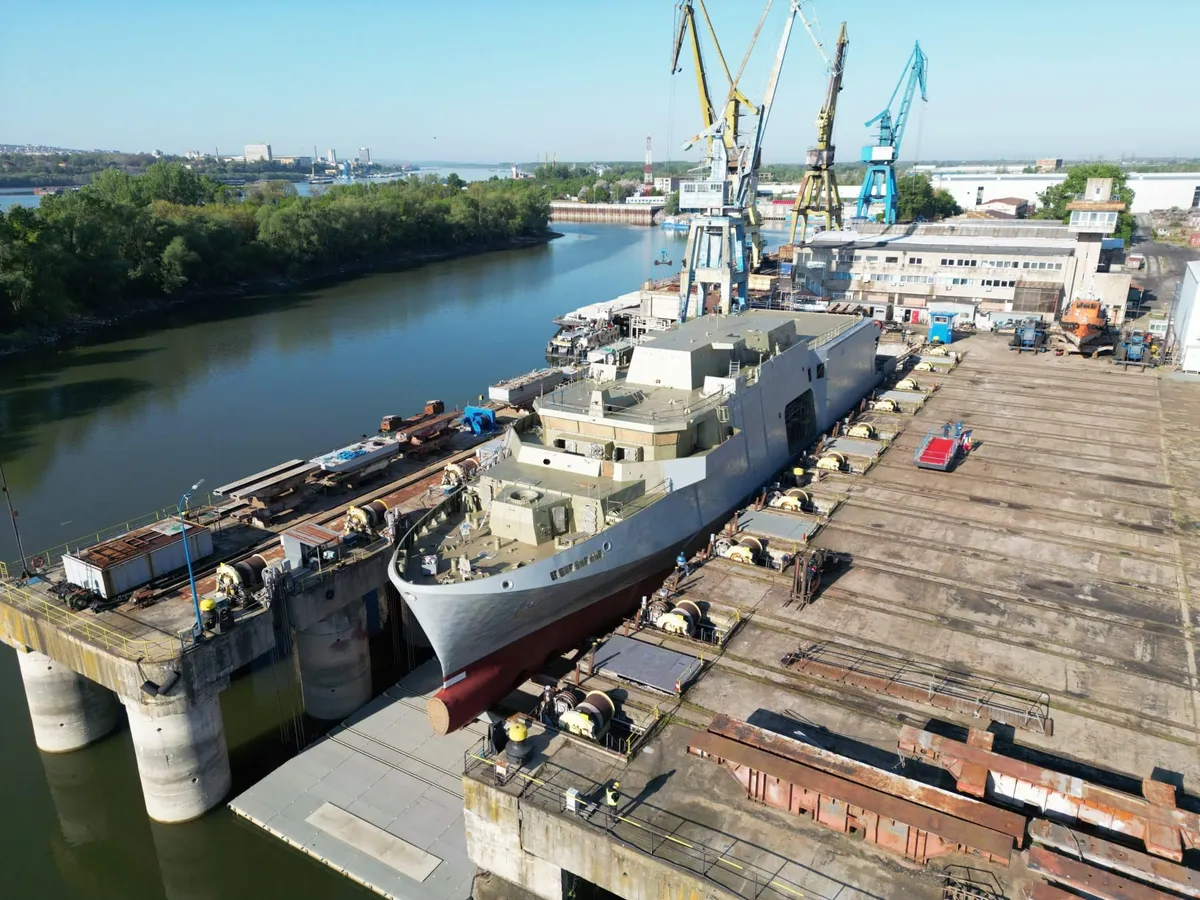
NATO's MCM fleet is operationally thin. The rMCM program delivers 12 hulls total across Belgium and the Netherlands—a modest number for two nations responsible for North Sea and NATO's eastern flank mine-clearing. If the Hormuz blockade persists or escalates into sustained escort operations in the Red Sea, demand for MCM assets will spike, and European yards will face pressure to accelerate delivery.
Watch whether NATO's Maritime Component Commander requests expedited delivery in the next NATO defense ministerial or whether the program absorbs acceleration costs into existing contracts.
This confirms the rMCM program is holding schedule despite NATO's surge in naval construction demand competing for the same European yards.
Belgium and the Netherlands are locking in mine warfare capability at a moment when Hormuz blockade disruptions (1,500 vessels trapped as of May 8) and expanded escort operations have exposed gaps in NATO's organic MCM capacity.
The parallel advancement of two hulls—one in outfitting, one entering build—suggests the yards are maintaining concurrent production lines without the delays plaguing US carrier and frigate programs.
What is the actual delivery cadence for the remaining three hulls (M946-M948)? The article doesn't specify the full build schedule or whether Belgium and the Netherlands are considering acceleration given current Red Sea and Hormuz disruptions.
Fault Lines
Strategic intelligence, synthesized daily — with a public track record. Every call graded against what actually happened.