Iran Proposes Insurance-Backed Control Framework for Strait of Hormuz Transit
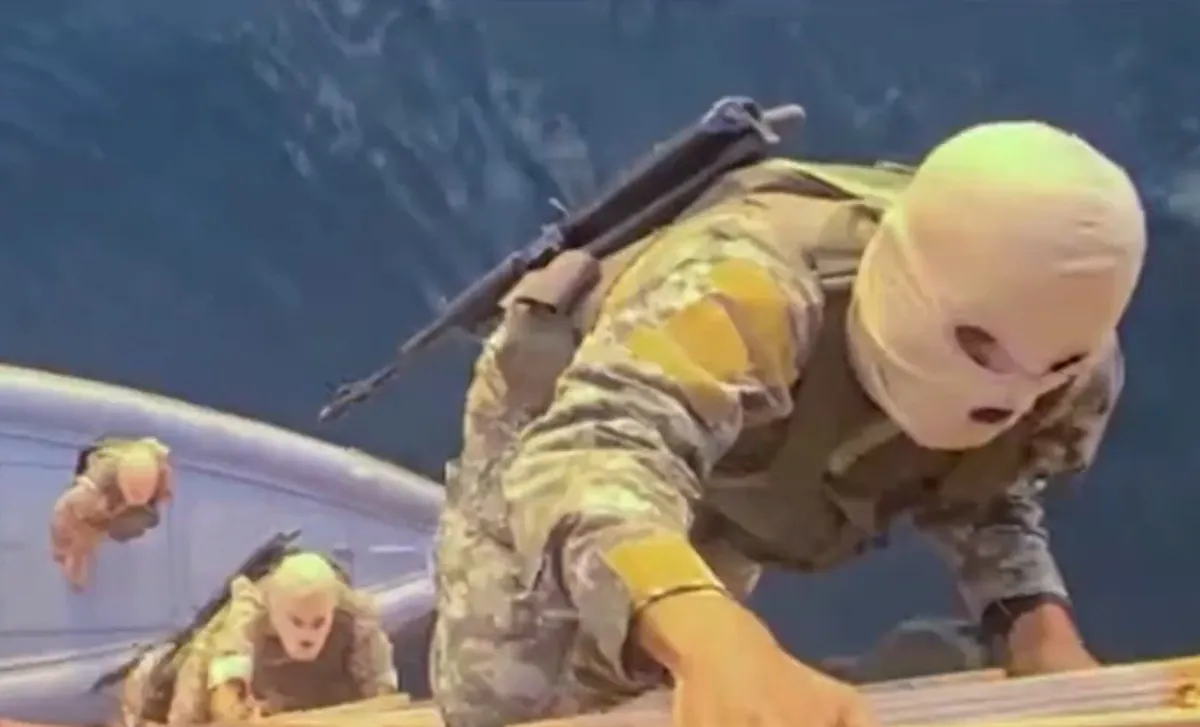
If Iran operationalizes the insurance requirement, global shipping will face a choice: pay Iran's levy (estimated 2-5% of cargo value based on past Iranian seizure patterns) or reroute around the Cape of Good Hope — adding 12-15 days and $2-3M per tanker transit. This forces a cascading decision for oil majors and traders: absorb the Iran tax, absorb the reroute cost, or accept supply-chain volatility.
European refineries dependent on Gulf crude will lobby their governments to break the blockade diplomatically or militarily. The US Navy blockade (91 vessels redirected as of May 20, per prior Fault Lines signal) becomes a two-front chokepoint: US blocking Iranian exports while Iran taxes legitimate traffic.
This formalizes Iran's shift from ad-hoc disruption to institutionalized toll collection on one of the world's most critical energy chokepoints — 21% of global petroleum passes through the Strait.
The insurance framework creates a revenue mechanism and legal cover for Iran to seize or delay vessels that refuse compliance, turning a military harassment tactic into extractive policy. The parallel Oman negotiations suggest Iran is attempting to regionalize the arrangement and create diplomatic cover.
Watch whether the US Navy responds with explicit counter-authority declarations or enforcement actions that test Iran's capacity to execute the scheme — the next 60 days will show whether this is posturing or operational.
Has Iran actually begun boarding and inspecting vessels under this framework, or is this a negotiating position to extract concessions during the ongoing ceasefire? The article doesn't specify whether the maritime authority is functional or aspirational.
Fault Lines
Strategic intelligence, synthesized daily — with a public track record. Every call graded against what actually happened.