Ukraine Strikes 30 Russian Targets in October; Seven Defense Plants and Three Airfields Hit
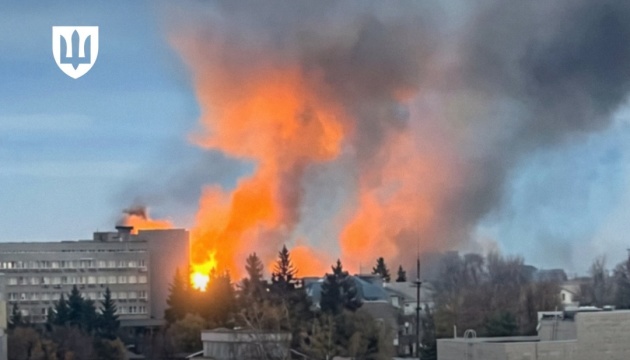
The strike pattern reveals Ukraine's targeting hierarchy: first-tier targets are munitions plants and airframes (highest impact on Russia's strike capability), second-tier are radars and command posts (force-multiplier degradation). Hitting Proton-Elektrotex and Redkinsky simultaneously attacks the two choke points in Russia's cruise-missile supply chain — electronics and fuel.
If both plants require 60+ days to restore main production lines, Russia faces a Q4 shortage that forces either reduced strike tempo or inventory drawdown. The Su-34 losses compound this: fewer airframes means fewer platforms to deliver the guided bombs that the Kh-101/55 shortage would otherwise force into service.
Ukraine is now striking the Russian defense-industrial base at scale and depth — 30 targets in one month with confirmed damage to seven munitions plants spanning 500+ km into Russian territory.
This is no longer harassment; it is sustained attrition of Russia's production capacity for missiles, electronics, and aircraft. The two Su-34s destroyed on October 29 at Marinovka alone represent $100M in airframes; the Nebo-U radar hit adds another $100M.
These are not symbolic strikes — they compress Russia's ability to manufacture and deliver the guided aerial bombs that have sustained the air campaign against Ukraine. Watch whether Russia's October production of Kh-101s and Kh-55s drops measurably in November-December data.
If Ukraine sustains this tempo against rear-area targets, Russia faces a choice: disperse production (raising costs and timelines) or accept attrition of manufacturing capacity.
What is the actual production impact of the Proton-Elektrotex and Redkinsky strikes — how many Kh-101 and Kh-55 units will Russia lose from the supply chain in Q4 2026? The article confirms damage but not the output loss.
Fault Lines
Strategic intelligence, synthesized daily — with a public track record. Every call graded against what actually happened.