Lukoil Kstovo Refinery Halts 53%-Capacity Crude Unit After Ukrainian Strike
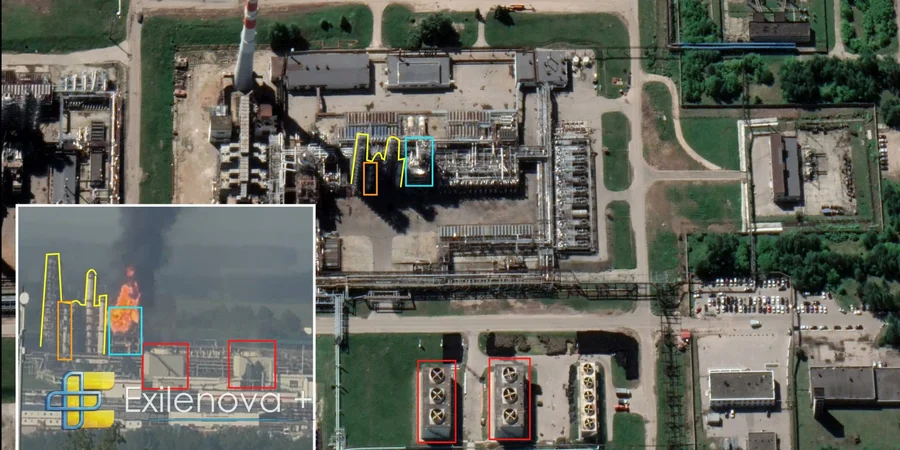
The timing compounds pressure on Russian energy exports. The US Navy blockade in the Strait of Hormuz has already redirected 91 commercial vessels and disabled four ships; simultaneous refinery strikes mean Russia cannot easily shift crude to seaborne export or domestic consumption without cutting industrial output or heating oil supply to winter-critical regions.
If Ukraine continues this pattern through summer, Russia's export revenue from refined products (higher-margin than crude) compresses, forcing harder choices on military spending versus civilian fuel allocation by late Q2.
Russia loses 13,600 barrels per day of crude processing capacity in a single facility — a 53% reduction at one of its four largest refineries.
This follows the May 20 Ukrainian strike on the same plant and compounds earlier attacks on Lukoil's Nizhegorodnefteorgsintez and the Azot chemical plant in Nevinnomyssk (both within 14 days).
If Ukraine sustains this targeting tempo against Russia's top-four refineries, Moscow faces a structural shortfall in fuel production that cannot be instantly replaced — refinery restarts take weeks to months, and new capacity takes years. Watch whether Gazprom or Surgutneftegaz reroute crude to compensate, and whether the Kremlin announces emergency fuel rationing or price controls by early June.
How long does Lukoil estimate the CDU-6 restart will take — days, weeks, or months? Has Russia activated emergency crude swaps with Belarus or Kazakhstan to backfill the lost processing capacity?
Fault Lines
Strategic intelligence, synthesized daily — with a public track record. Every call graded against what actually happened.