UK F-35B Fleet to Integrate Boeing SDB-II as European Munition Delays Extend
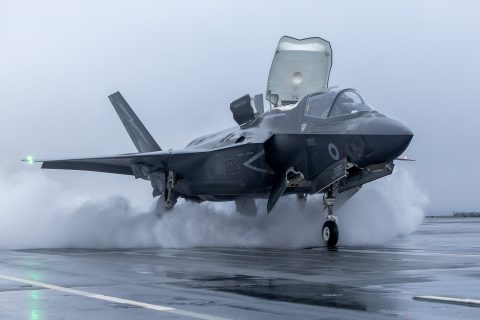
This forces a secondary constraint: HMS Queen Elizabeth's F-35B spares problem (from the 14 May signal showing 24 aircraft but parts for 12) now compounds with munitions supply. If the carrier deploys with half-strength spares and half-strength munition stocks — both dependent on US supply chains — the operational window for sustained strike operations contracts sharply.
The corrosion damage cited in the article title suggests the maritime environment is degrading platforms faster than spares flow, making the SDB-II dependency a readiness multiplier rather than a simple armament choice.
RAF F-35B operational readiness now depends on US munitions supply rather than indigenous European capability, creating a logistics and interoperability constraint for UK strike operations.
The interim designation signals the European alternative faces multi-year slippage — if it were on track, the MoD would not have approved SDB-II. Watch the FY27 UK Defence Budget (expected autumn 2026) for whether the European system receives sustained funding or quietly becomes a backup option.
What is the timeline for the European-produced alternative, and has the UK formally extended or de-prioritized it? The article calls SDB-II 'interim' but doesn't specify when the transition away from US munitions is expected to occur.
Fault Lines
Strategic intelligence, synthesized daily — with a public track record. Every call graded against what actually happened.