Trump Threatens NATO Exit, Ukraine Aid Halt Over European Iran Response
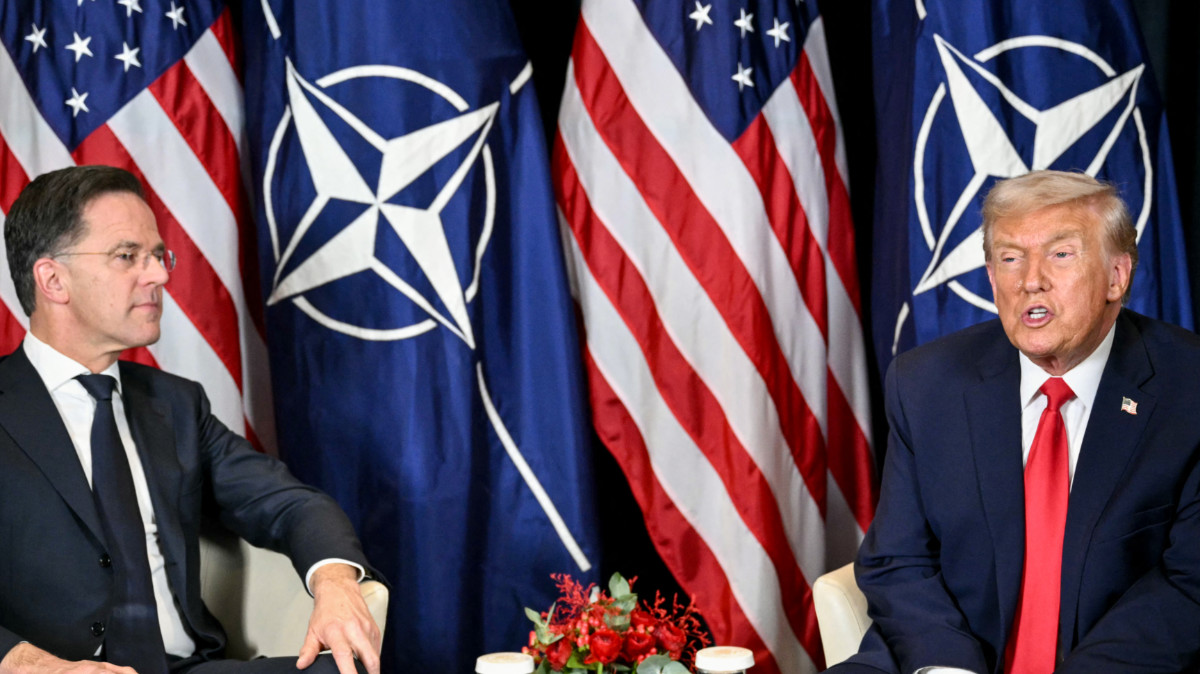
Trump's Iran exit timeline (2-3 weeks) and NATO withdrawal threat are mechanically linked: if the US departs the Iran theater before regional stabilization, European powers will face direct exposure to Iranian retaliation (ballistic missiles, proxy attacks, Strait of Hormuz closure) without US air cover or early warning.
This forces European defense budgets into emergency procurement for air defense and maritime security — benefiting Thales, MBDA, and Navantia — while simultaneously undermining the NATO industrial base that depends on integrated US-allied supply chains.
This threat directly targets two of the three pillars of US alliance architecture during an active conflict.
If executed, NATO withdrawal would eliminate the collective defense commitment underpinning European deterrence against Russia and Iran-aligned proxies, while Ukraine aid termination would force Kyiv into negotiation under duress and signal to all US security partners that commitments are conditional on real-time policy alignment.
The timing — mid-conflict, with Trump already setting a hard exit deadline — suggests this is leverage rather than bluff, but the absence of specific European statements in the article makes it unclear whether this is retaliatory or preemptive.
Defense contractors dependent on NATO procurement (RTX, Lockheed, Northrop) and European defense budgets face immediate uncertainty; Ukraine-focused suppliers (HIMARS, Patriot sustainment) face potential order cancellation.
The real exposure depends on whether Trump follows through and on how quickly European NATO members respond — either by increasing defense spending to offset US withdrawal risk, or by fracturing into bilateral arrangements with Russia/China.
The article does not specify which European actions or statements provoked Trump's threat, nor does it report any response from NATO leadership, European capitals, or Ukraine.
Fault Lines
Strategic intelligence, synthesized daily — with a public track record. Every call graded against what actually happened.