Space Force Completes 17-Hour Satellite Launch; Tactically Responsive Space Demonstration Advances
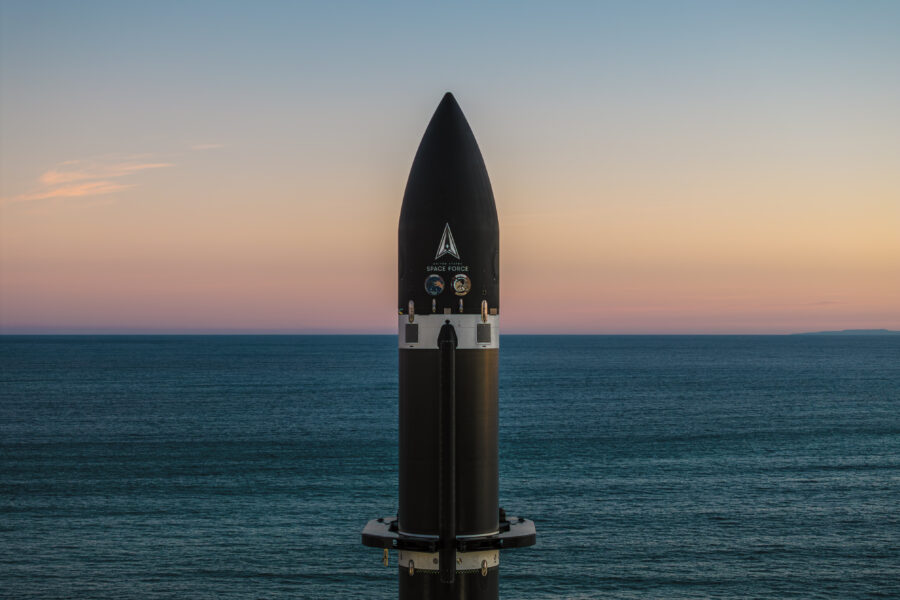
If the Space Force can sustain a 17-hour launch cadence, it breaks the traditional satellite procurement logic that locks in constellation size years before launch. China's ASAT doctrine assumes U.S. satellites are static targets; rapid reconstitution flips that calculus. But the constraint isn't physics — it's production. One satellite per 17 hours means 50 per year, maximum.
A major conflict would burn through that in weeks. The real test is whether the Air Force can scale production to match demand, or whether TacRS remains a niche capability for replacing single critical nodes rather than reconstituting an entire constellation.
This confirms the Space Force can compress launch timelines from months to hours — a direct answer to the INDOPACOM contingency problem: if a satellite is degraded or destroyed in a Taiwan or South China Sea scenario, the U.S. cannot wait 90 days for a traditional launch window.
The 17-hour cycle, if repeatable, means satellite constellation resilience shifts from pre-positioning spares to rapid reconstitution. Watch the third TacRS mission (timing not yet announced) and whether the Air Force requests production funding for this contractor in the FY27 FYDP — that's the signal that this isn't a one-off demonstration.
What is the actual cost per TacRS launch, and how does it compare to traditional launch pricing? The article doesn't specify the contractor or the satellite's payload — both matter for assessing whether this is a general-purpose rapid-launch capability or a niche solution.
Fault Lines
Strategic intelligence, synthesized daily — with a public track record. Every call graded against what actually happened.