NSA Director Orders Allied Intelligence Sharing Expansion Amid Iran Conflict Escalation
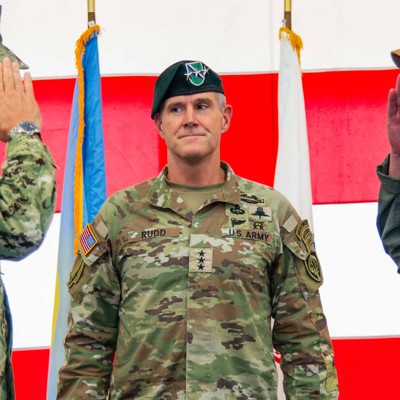
Expanded allied intelligence sharing accelerates the targeting cycle in the Iran conflict, which reduces US strike planning lead time and increases coordination bandwidth with Israel—directly enabling the strike tempo visible in the prior signals (Tehran infrastructure strikes on March 23, Bushehr nuclear plant vicinity on March 24).
This also raises the operational stakes for US-allied partners in Iraq and Qatar: the PMF strikes on March 24 and the Ras Laffan LNG damage on March 19 suggest real-time targeting is already occurring, and formalized intelligence sharing will lock allied partners (Iraq, Qatar, Saudi Arabia) into the conflict's escalation cycle, making their diplomatic exit more difficult and their vulnerability to Iranian retaliation more acute.
This is a procedural acceleration of existing allied intelligence coordination, not a new policy.
The timing—mid-conflict, after Iran's March 24 missile strikes and amid US troop deployments to the Middle East—indicates the NSA is removing internal friction on real-time intelligence dissemination to Israel, Gulf partners, and regional allies. The practical effect is faster targeting cycles, earlier warning of Iranian retaliation, and tighter integration of US/Israeli strike planning.
The risk is overclassification removal creates downstream counterintelligence exposure if partner nations' operational security is weaker than US standards. The constraint is whether allied recipients can absorb and act on the volume and classification level of incoming intelligence without degrading their own compartmentation.
The article does not specify which allied partners are receiving expanded access, what classification levels are being lowered, or whether this directive includes signals intelligence (SIGINT) or remains limited to imagery and human intelligence (IMINT).
Fault Lines
Strategic intelligence, synthesized daily — with a public track record. Every call graded against what actually happened.