Artemis II VAB Return Delays NASA Lunar Timeline, Extends SLS Ground Infrastructure Burden
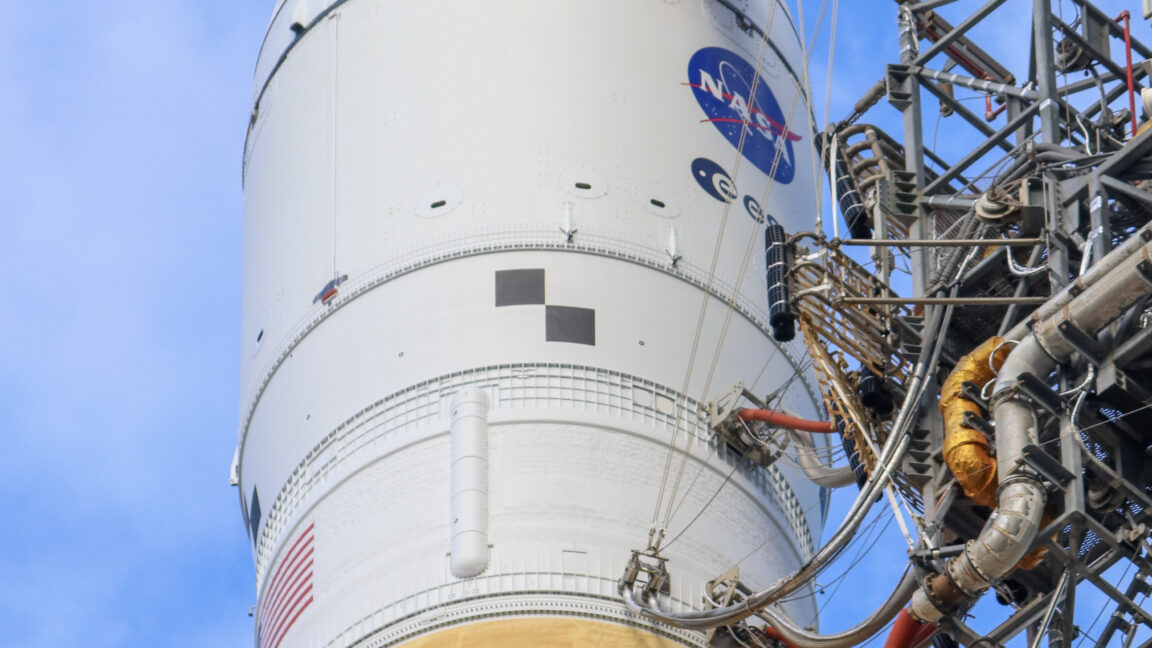
VAB congestion now becomes a binding constraint on SLS cadence. Each day Artemis II consumes VAB capacity is a day unavailable for Artemis III stacking or NSLM core stage assembly, compressing the timeline for the next human lunar landing and delaying USSF heavy-lift certification.
If the repair reveals a design or manufacturing flaw, Boeing and Aerojet face retrofit costs and schedule liability that will surface in FY27 program rebaselines and congressional justification documents.
This is a schedule slip with direct cost and capacity implications for NASA and its prime contractors (Boeing SLS core stage, Aerojet Rocketdyne engines, Lockheed Martin Orion).
VAB time is a scarce resource — the facility must support SLS production, Artemis III stacking, and Space Force National Security Launch System (NSLM) manifesting. Every week Artemis II occupies VAB floor space delays downstream production and increases facility operating costs. The repair nature and duration are not disclosed, preventing accurate re-baseline of the Artemis campaign schedule.
If the defect is systemic (e.g., core stage manufacturing, engine performance), it could cascade to Artemis III hardware already in production.
The article does not disclose what systems require repair, estimated duration in the VAB, revised launch date, root cause analysis timeline, or whether the defect affects other SLS cores in the production pipeline.
Fault Lines
Strategic intelligence, synthesized daily — with a public track record. Every call graded against what actually happened.