Safran Wins Canada Victoria-Class Periscope Contract, Expands Submarine Modernization Role
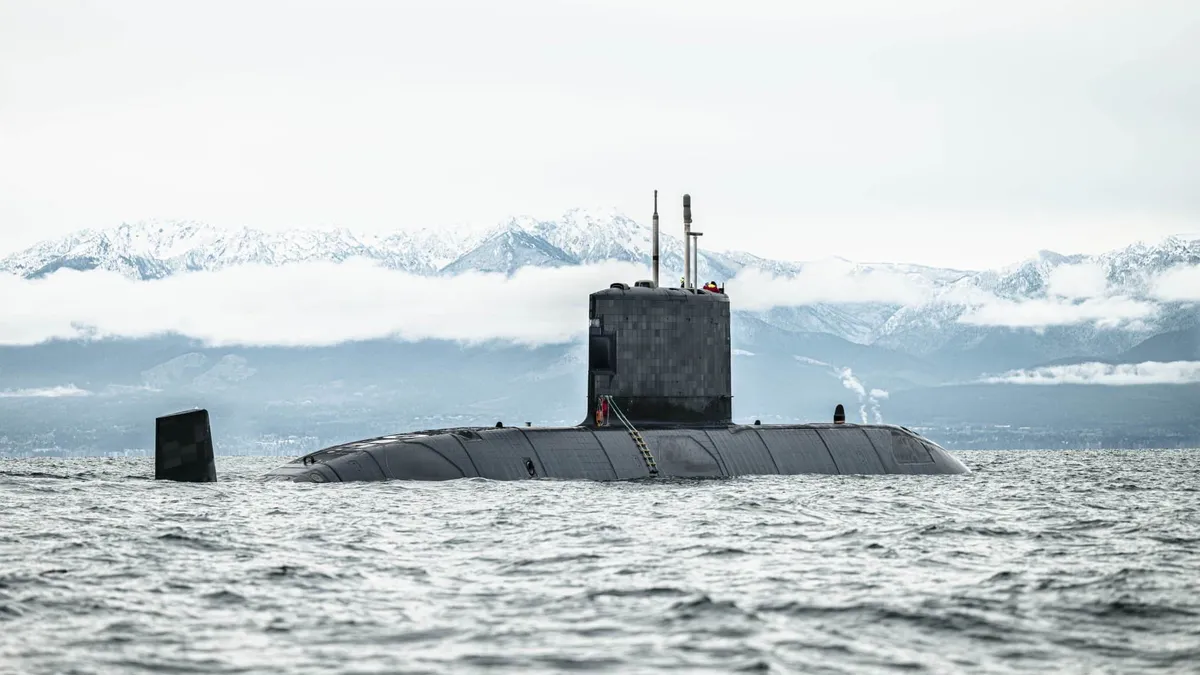
Safran's periscope contract locks digital sensor architecture into a NATO allied submarine fleet, creating a vendor dependency that could affect interoperability if NATO standards evolve or if France faces export restrictions on optical/imaging technology.
If Canada later pursues deeper integration with U.S. or Australian submarine programs (e.g., AUKUS), incompatible sensor suites could force costly retrofits or limit data-sharing in joint operations.
This contract formalizes Safran's role as the primary optics/sensor integrator for Canada's only operational submarine fleet, locking in a European prime for a critical underwater platform upgrade.
For Safran, it extends installed base in North America and creates long-term sustainment revenue. For Canada, it signals continued reliance on French technology for submarine modernization rather than a domestic or Five Eyes alternative — a choice that matters if allied submarine interoperability standards or export control restrictions (e.g., on advanced imaging sensors) shift.
The contract value and timeline remain undisclosed, limiting visibility into the scope of the modernization effort.
The article does not specify contract value, delivery timeline, whether this is part of a larger Victoria-class overhaul program, or how this integrates with other modernization initiatives (combat management systems, propulsion, communications).
Fault Lines
Strategic intelligence, synthesized daily — with a public track record. Every call graded against what actually happened.