Ukrainian Strikes Reach Deep into Russia; Rosneft Refinery Network Emerges as Target
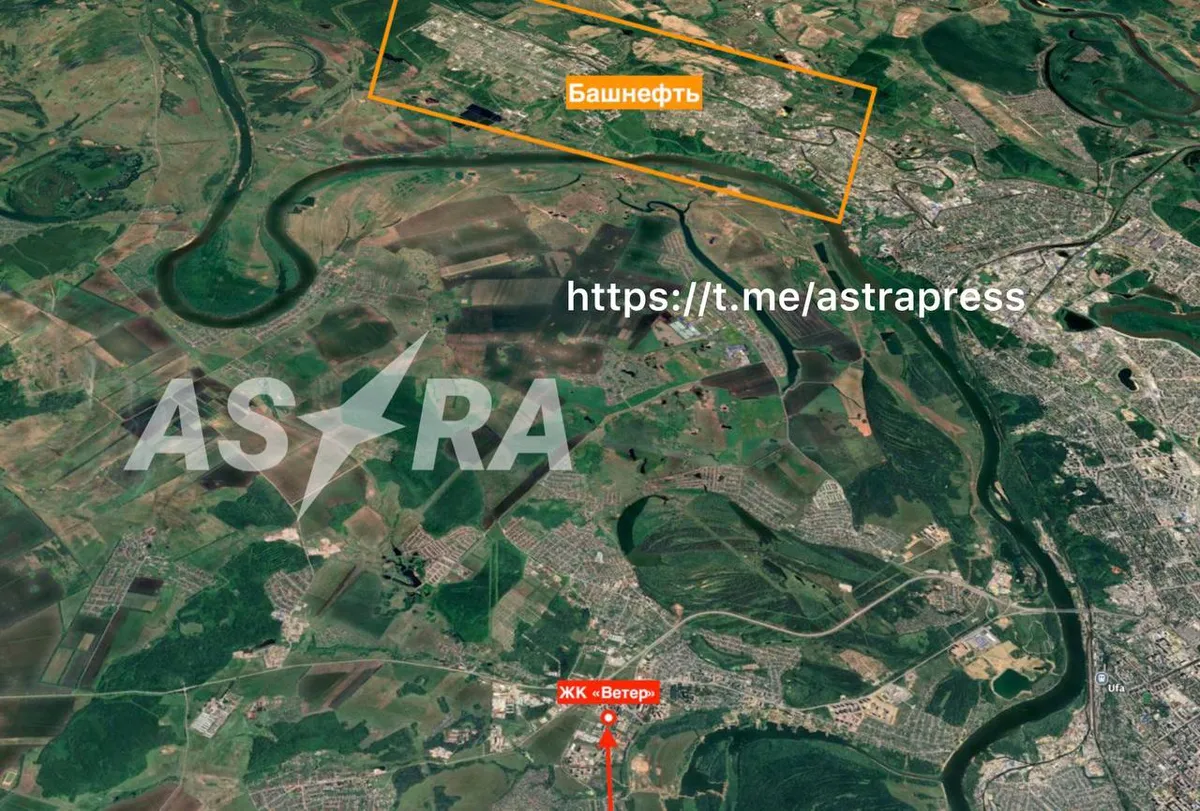
Ukrainian strikes on Russian refining capacity create a secondary leverage point in the Middle East energy war already underway.
Iran has targeted Qatar's Ras Laffan LNG and UAE gas facilities (March 18-19); simultaneous degradation of Russian refining output would tighten global fuel markets and elevate crude prices further, increasing pressure on US allies dependent on energy imports and forcing energy rationing decisions that constrain military-adjacent industrial output.
Ukraine is extending strike range into Russia's energy infrastructure heartland — Rosneft operates refineries critical to Russia's domestic fuel supply and export revenue.
The scale of the intercept claim (283 drones) and the stated targeting pattern suggest Ukraine is attempting saturation attacks on refinery capacity. If Ukrainian strikes degrade Russian refining output, Moscow faces domestic fuel shortages and reduced export earnings precisely as the Middle East conflict diverts global energy markets and elevates crude prices.
Rosneft's operational status directly affects Russia's ability to sustain military logistics and hard-currency reserves. The intercept rate (implied by the claim) and actual damage to Rosneft facilities will determine whether this represents a tactical probe or the opening of a new theater targeting Russian war finance.
The article does not specify which Rosneft refineries were targeted, damage assessment (if any), or the actual interception rate — Russia claims 283 intercepts but provides no confirmation of how many drones reached their targets or struck intended facilities.
Fault Lines
Strategic intelligence, synthesized daily — with a public track record. Every call graded against what actually happened.