White House Requests ~20 Warships in FY27; Navy Shipbuilding Budget Rises 50%
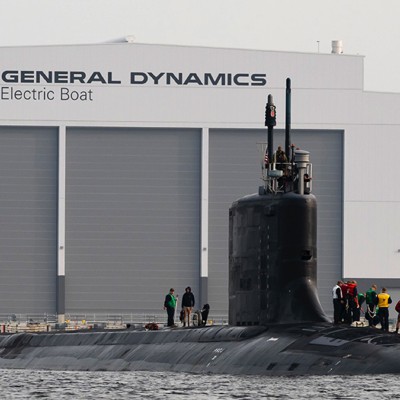
The 50% shipbuilding increase directly responds to Hormuz closure and Iranian air defense proving lethal to US fixed-wing aircraft (F-15E, A-10 losses on April 3). Accelerated naval procurement shifts the force posture from air-centric to naval-centric operations in the Gulf, but only if the new ships are deployed to the theater within 2-3 years—Trump's stated exit window for Iran operations (April 1).
If delivery timelines exceed that window, the budget request becomes a post-conflict force structure play rather than a response to active operations, reducing its operational relevance to the current Hormuz crisis.
A 50% shipbuilding increase signals acceleration of naval force structure expansion in response to the ongoing Iran conflict and Hormuz closure (95% traffic collapse as of April 1).
However, this budget proposal was likely drafted before the F-15E loss (April 3) and second aircraft downing (April 3), meaning the request may not yet reflect the full cost of sustained combat operations or replacement of lost airframes.
The battleship program announcement—if confirmed as a new-start—represents a major shift in surface warfare doctrine, but the article provides no detail on capability, timeline, or which yards will build them, making it impossible to assess impact on existing SSN/DDG production or industrial capacity.
Readers need to know: (1) which 20 ships and in what sequence, (2) whether this displaces or supplements existing Virginia-class/Constellation-class commitments, and (3) whether the battleship is a concept study or a funded production program.
The article does not specify which ship classes are included in the ~20 vessels, the timeline for delivery, which shipyards will build them, whether this budget increase displaces other Navy programs, or the scope/cost/timeline of the battleship-class program.
Fault Lines
Strategic intelligence, synthesized daily — with a public track record. Every call graded against what actually happened.