SPACECOM Launches Classified Industry Wargames Amid Active Hormuz Conflict
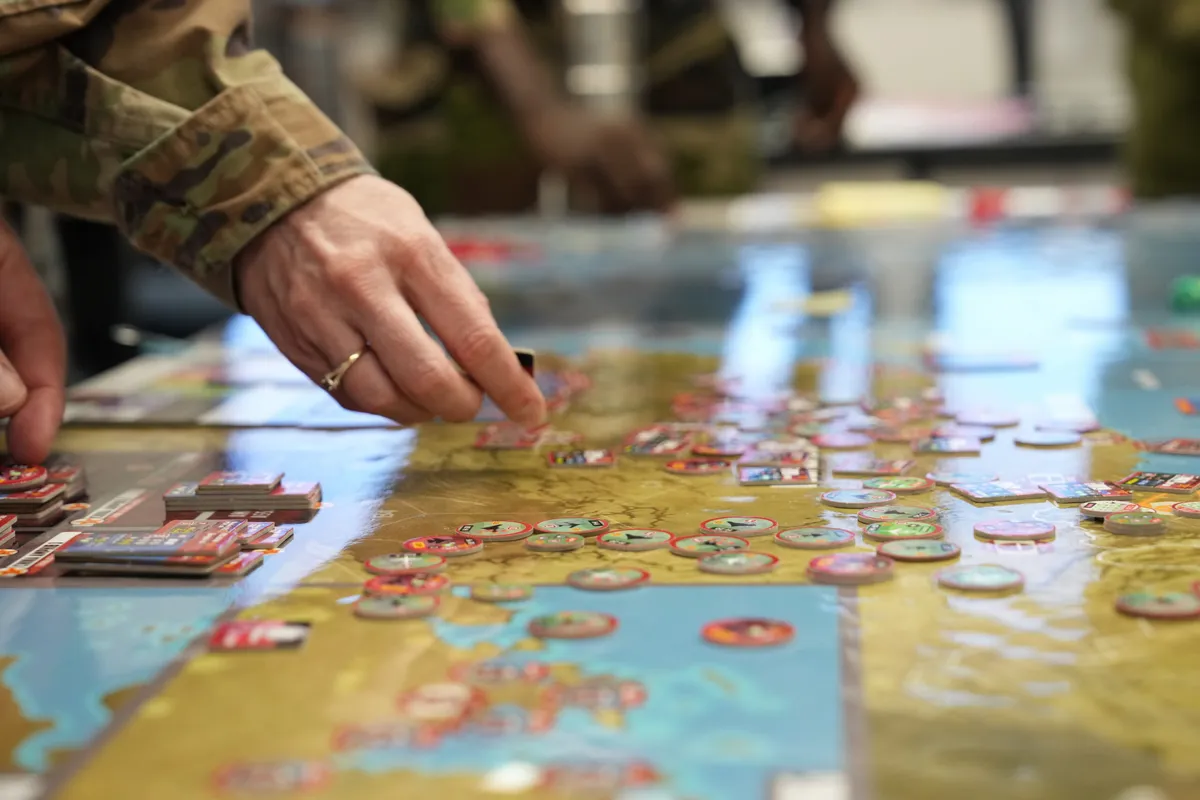
Active Iranian blockade of Hormuz (99% transit collapse per prior signals) has already forced multinational navies to coordinate escort operations. If SPACECOM wargames identify that space-based navigation or ISR gaps are degrading surface fleet coordination in the strait, the Pentagon will face a choice: invest in redundant satellite constellations or accept operational risk.
This directly feeds into procurement decisions for commercial space contracts and allied space-sharing agreements—a power projection problem masquerading as a technology problem.
This wargame series signals SPACECOM's urgent need to stress-test space architecture resilience against anti-satellite threats in an active conflict environment.
The classified format and industry participation suggest the Pentagon is identifying gaps in current space command-and-control capabilities that cannot wait for formal acquisition cycles.
If wargame findings expose vulnerabilities in GPS, communications, or ISR constellation redundancy during Hormuz operations, SPACECOM will likely accelerate space resilience procurements—potentially triggering repricing of Lockheed Space Systems, Northrop Innovation Systems, or emerging space-defense contractors.
The real constraint is whether industry can prototype solutions before Iran or proxies attempt satellite targeting.
The article does not specify which industry participants are invited, what orbital scenarios are being wargamed, or whether findings will be classified or shared with allied space operators.
Fault Lines
Strategic intelligence, synthesized daily — with a public track record. Every call graded against what actually happened.