Ukraine Destroys Buk-M3 in Bryansk; 26 Russian Air-Defense Systems Lost to Drone Operations in March
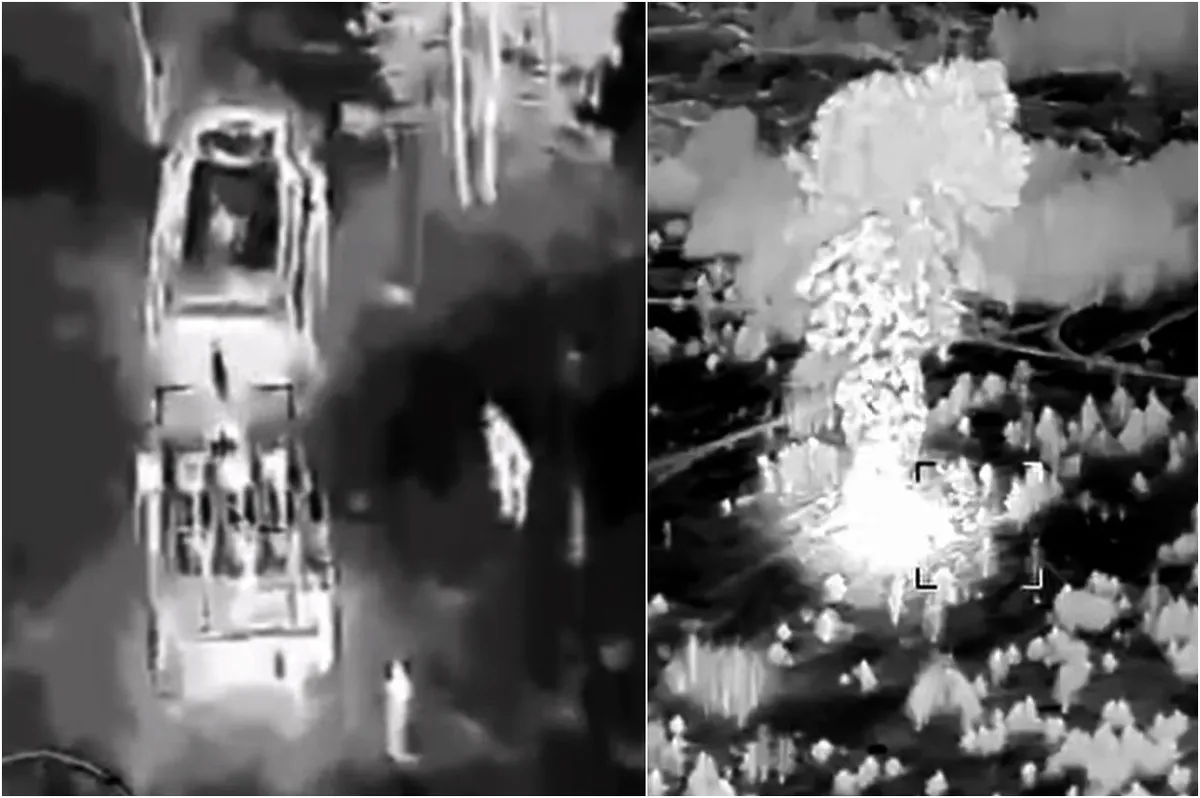
Degradation of Russian air-defense density in rear areas directly extends the effective range of Ukrainian strike operations, which in turn forces Russia to either disperse logistics nodes (increasing supply-line friction and cost) or accept higher attrition rates on forward-positioned ammunition and fuel depots.
This shifts the cost-exchange ratio in Ukraine's favor — drone production cost per destroyed air-defense system is measurably lower than replacement Buk-M3 cost, and the operational consequence (expanded Ukrainian strike depth) compounds over time as Russia's air-defense footprint contracts.
The Buk-M3 is Russia's most capable short-to-medium range air-defense system and a critical node in layered air defense protecting rear areas and logistics hubs.
Loss of 26 systems in one month at an operational tempo this high suggests either Russia is rotating systems forward faster than replacement production can sustain, or Ukrainian drone targeting has achieved sufficient accuracy to penetrate previously survivable dispersal patterns.
This directly enables Ukrainian air operations deeper into Russian territory — if rear-area air defense is degraded, the cost of Ukrainian strike sorties into logistics and command nodes declines. The specific vulnerability (secondary detonation from co-located launchers) indicates a tactical pattern Russia has not yet corrected, meaning future losses may continue at this rate until doctrine or dispersal changes.
The article does not specify whether these 26 losses represent total attrition (replacements included) or net reduction in deployed systems, nor does it provide Russian replacement production rates to assess whether this March pace is sustainable or a spike.
Fault Lines
Strategic intelligence, synthesized daily — with a public track record. Every call graded against what actually happened.