Russian Strike on Ukrainian Grid Severs Moldova's Primary EU Power Link
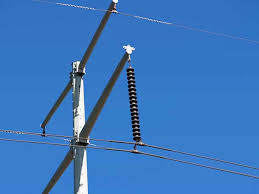
Ukraine's energy grid is a contested dual-use target — degrading it degrades both military logistics and civilian morale, but also weaponizes energy supply as a lever over Moldova's pro-EU alignment.
Russia's strike timing, during the Iran-Israel crisis peak and Trump's diplomatic pause, suggests Moscow is testing whether Western attention is divided enough to permit infrastructure attacks without triggering NATO escalation.
If Moldova's grid dependency on EU supply becomes untenable, pressure will mount on Bucharest and Brussels to either rapidly harden Romanian-Moldovan interconnects or accept Moldova's return to Russian energy leverage — a political outcome that reshapes Eastern European alignment without direct NATO involvement.
Moldova loses its most direct route to EU power supply during an active conflict that has already destabilized energy markets across the region.
This forces Moldova into dependence on secondary, lower-capacity interconnects or Russian supply — a geopolitical vulnerability that may accelerate during the ongoing Iran-Israel escalation, which has already triggered Hormuz closure and global oil price volatility.
The timing matters: with US-Iran tensions consuming allied attention and Trump's 5-day strike pause in effect, Russia has operational space to degrade Ukrainian infrastructure without immediate Western response escalation.
The article does not specify whether the strike was incidental (collateral from strikes on Ukrainian targets) or deliberate targeting of cross-border infrastructure, nor does it state whether Moldova has sufficient alternative capacity to sustain operations or faces rolling blackouts.
Fault Lines
Strategic intelligence, synthesized daily — with a public track record. Every call graded against what actually happened.