Ukraine Air Defense Intercepts 92 of 99 Russian Drones in Single Night
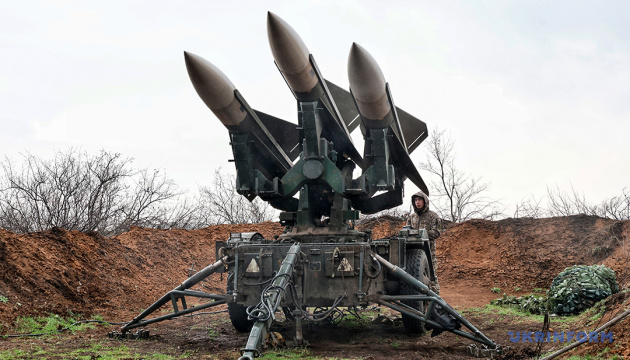
A 92.9% intercept rate on a 99-drone salvo is operationally significant but not unprecedented for Ukrainian air defense — prior signals show sustained 80-95% intercept rates across multiple engagement cycles. The real constraint is ammunition: each interception consumes a SAM or air defense round, and Ukraine's resupply depends on Western deliveries (HAWK, Patriot, IRIS-T stocks) and domestic production.
If Russia can sustain 90+ drone sorties every 2-3 days, Ukraine will face a munitions attrition problem before a system-availability problem. The UK's GBP 752M package (from prior context) includes 150,000 drones for Ukraine — a signal that London is betting Ukrainian air defense can remain viable if supplied with sufficient counter-strike capacity rather than pure air defense rounds.
The intercept rate signals Ukraine's air defense is maintaining effectiveness despite attrition and the scale of Russian drone production — a critical constraint on Russia's ability to degrade Ukrainian logistics and civilian infrastructure.
If Ukraine sustains 90%+ intercept rates, Russia must either accept reduced operational impact per sortie or dramatically increase drone production to overwhelm defenses, both costly options. Watch whether Russian drone sorties increase in frequency or payload mix over the next 30 days — a shift would indicate Moscow is trying to saturate Ukrainian defenses rather than achieve precision strikes.
What is the actual attrition rate on Ukrainian air defense systems themselves — how many SAM batteries, radar units, or SHORAD systems were lost or degraded during this engagement cycle? The intercept count alone doesn't reveal whether Ukraine is trading system durability for kill rate.
Fault Lines
Strategic intelligence, synthesized daily — with a public track record. Every call graded against what actually happened.