France Seizes Russian Shadow Fleet Tanker; Macron Escalates Sanctions Enforcement in Hormuz Crisis
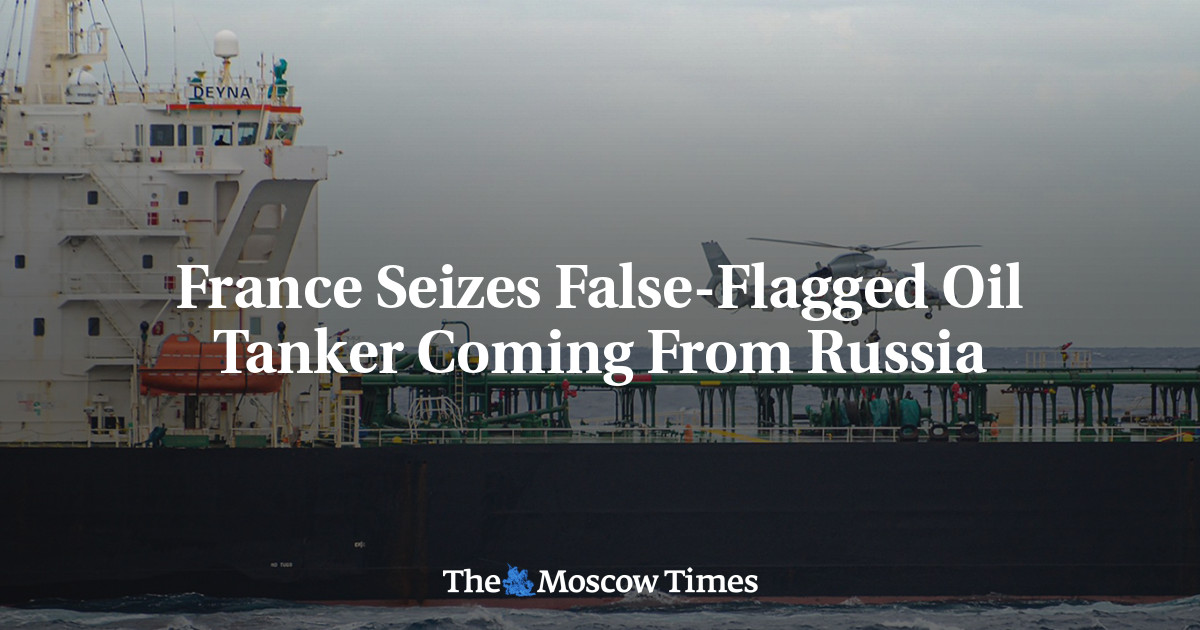
France's seizure of Russian shadow fleet tonnage directly competes with Iran's selective Hormuz blockade for control of global oil supply. If France and allied navies begin systematic interdiction of Russian tankers while Iran restricts non-aligned-state passage, European refineries face a two-front supply shock: Russian oil cut off by enforcement, Iranian oil cut off by geography.
This forces EU energy policy into a hard choice between accelerating non-Russian LNG procurement (Qatar, Australia, US) and negotiating with Iran for Hormuz access — a negotiation that currently does not exist because the US and Israel are actively striking Iranian energy infrastructure.
This is an enforcement action against secondary sanctions evasion during an active energy crisis.
The timing matters: France is signaling willingness to intercept Russian oil shipments at the moment Iran has collapsed Hormuz transit to near-zero and global oil markets are tightening. If France is boarding and seizing Russian-origin tankers in international waters or allied ports, this sets a precedent that could extend to other shadow fleet routes (Black Sea-to-Europe, East China Sea).
However, this is a single seizure, not evidence of a sustained interdiction campaign — the article does not specify whether this is part of a coordinated EU enforcement surge or an isolated French action. Watch whether other EU members (Germany, Italy, Netherlands) announce similar seizures in the coming 72 hours; if not, this remains a French political gesture rather than a structural shift in sanctions enforcement.
The article does not specify where the tanker was seized (international waters, French port, or allied port), what flag it was flying, its destination, or whether this seizure is part of a coordinated multinational enforcement operation or a unilateral French action.
Fault Lines
Strategic intelligence, synthesized daily — with a public track record. Every call graded against what actually happened.