Skunk Works AI Dogfight Test Validates Autonomous Evasion in Crewed Cockpit
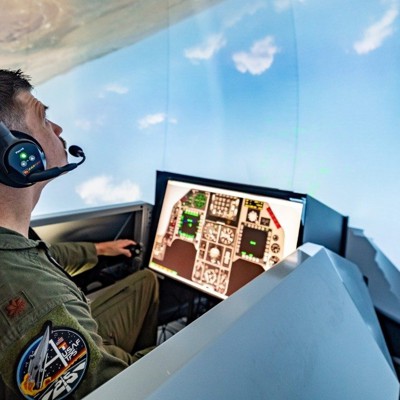
If Skunk Works converts this test result into a formal AI flight-control subsystem contract, it creates a procurement opening in the $500M–$2B range for autonomous evasion logic — forcing avionics incumbents (Collins Aerospace, Raytheon) to either acquire autonomy startups or partner with AI vendors to remain competitive in Block 4 and NGAD bids.
This also sets a technical precedent that could influence allied fighter upgrades (Rafale, Typhoon, F-15EX), shifting the competitive surface from airframe design to autonomy stack maturity.
This is a single data point, not evidence of operational doctrine shift.
What matters is whether this test informs procurement decisions on pilot-assist systems or autonomous defensive countermeasures for next-generation fighters (F-35 Block 4, NGAD, or allied variants).
If Skunk Works transitions findings into a formal requirement or prototype contract, it signals Lockheed's positioning in autonomous flight-control subsystems — a market currently fragmented between legacy avionics vendors (Collins, Raytheon) and emerging autonomy startups.
The test also suggests Air Force willingness to delegate tactical control in live-fire scenarios, which could accelerate certification timelines for AI-assisted systems if regulatory frameworks adjust. Watch whether this appears in RFP language for F-35 upgrades or NGAD subsystem competitions within 12 months.
The article does not specify: (1) whether this was a simulation or live-fire test; (2) which missile type was used; (3) success rate or failure modes; (4) whether results will feed into a formal development program or remain experimental; (5) timeline to potential fielding.
Fault Lines
Strategic intelligence, synthesized daily — with a public track record. Every call graded against what actually happened.