ICBM Basing Crisis Delays Sentinel Deployment Despite Technical Readiness
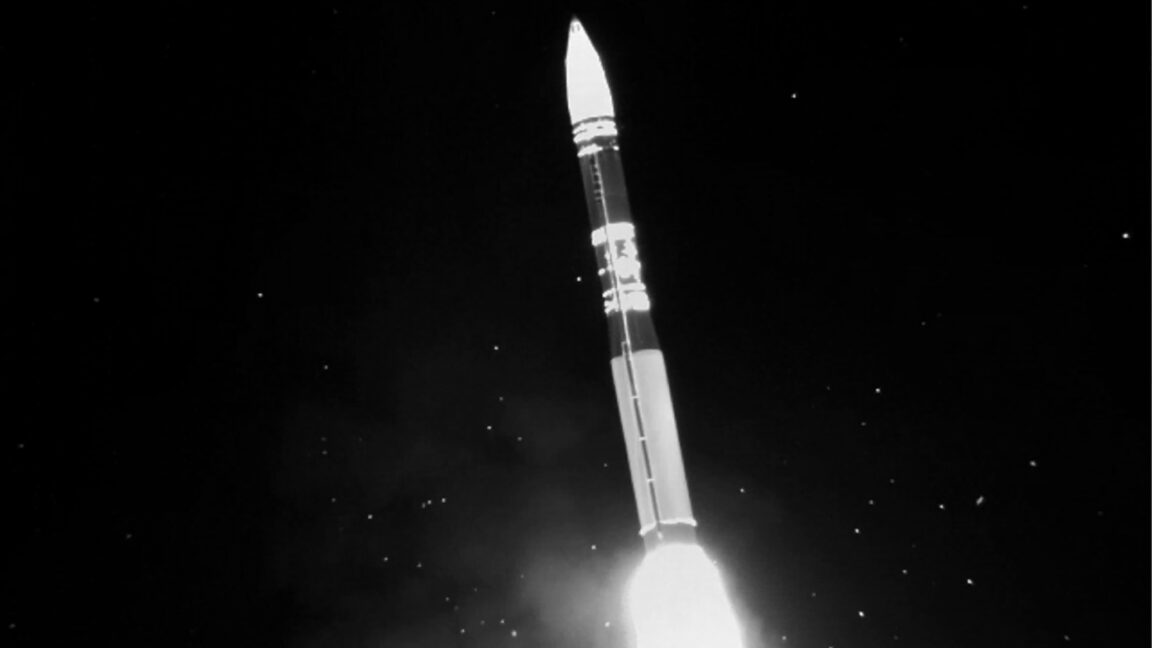
Sentinel basing delays extend Minuteman III operational life and defer the retirement of Cold War–era infrastructure, which compresses the modernization window for other strategic systems (B-21 basing, SSBN shore facilities) and forces trade-offs in Air Force infrastructure budgets.
If basing remains unresolved through FY27, Congress may demand a GAO or CRS review of the original basing strategy, creating political risk for the program and potentially triggering a re-baseline that affects Northrop's delivery schedule and profit margins on fixed-price development contracts.
Northrop Grumman completes Sentinel development on schedule, but the Air Force cannot operationalize the system without resolving basing constraints—likely involving infrastructure upgrades at existing ICBM bases (F.E.
Warren, Malmstrom, Minot) or negotiating new locations. This decouples procurement from deployment, extending the period during which the Minuteman III remains the operational deterrent and creating budget pressure to fund both legacy sustainment and new-system basing simultaneously.
The delay is a force-posture problem, not a contractor problem, which limits Northrop's ability to influence the timeline and shifts accountability to Air Force and OSD infrastructure planning.
The article does not specify which bases face capacity constraints, what infrastructure modifications are required, estimated basing costs, or the revised deployment timeline. Without these details, we cannot assess whether this is a 1-2 year slip or a multi-year recapitalization effort.
Fault Lines
Strategic intelligence, synthesized daily — with a public track record. Every call graded against what actually happened.