Russia Targets 20,000 Foreign Recruits in 2026 Using Coercion; Deportation Threats Drive Frontline Staffing
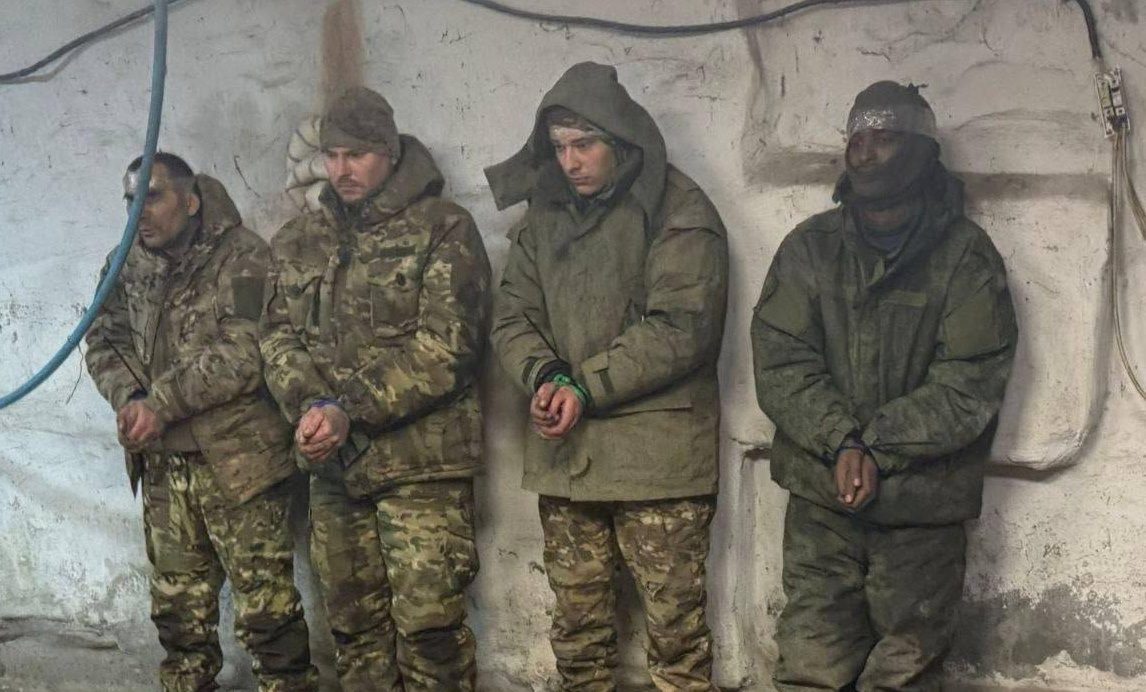
Russian force degradation accelerates the timeline for Ukrainian territorial consolidation and NATO contingency planning. If Russia can sustain only 12,000-15,000 effective foreign recruits instead of 20,000, Russian brigade strength in Donbas and southern Ukraine falls below the threshold needed to hold current lines without continuous rotation — forcing earlier Russian negotiation or a shift to defensive posture.
This directly affects NATO's 2027-2028 force posture planning for Poland and the Baltics, since Russian availability for other theaters declines.
This signals a manpower crisis deeper than Moscow has publicly admitted.
Russia is not just struggling to fill conscription quotas — it's now systematizing coercion of non-citizens to sustain frontline strength, which implies domestic recruitment has hit a wall.
For defense planners, this means Russian force sustainability depends on a fragile supply chain of coerced foreign labor that could fracture if third-country transit states (Turkey, Georgia, Kazakhstan) tighten controls or if deportation leverage evaporates.
The 20,000 target is significant only if Russia can actually deliver it; if recruitment stalls below 15,000, Russian combined-arms operations degrade faster than current attrition models predict.
Which countries are the primary source of these recruits, and are their governments aware of or complicit in the coercion? If Turkey or Kazakhstan are knowingly allowing this, it's a proxy manpower arrangement with strategic implications for NATO.
Fault Lines
Strategic intelligence, synthesized daily — with a public track record. Every call graded against what actually happened.