Ukraine Strikes Ust-Luga Terminal; Russian Oil Export Capacity Cut 20% as Energy Targeting Spreads
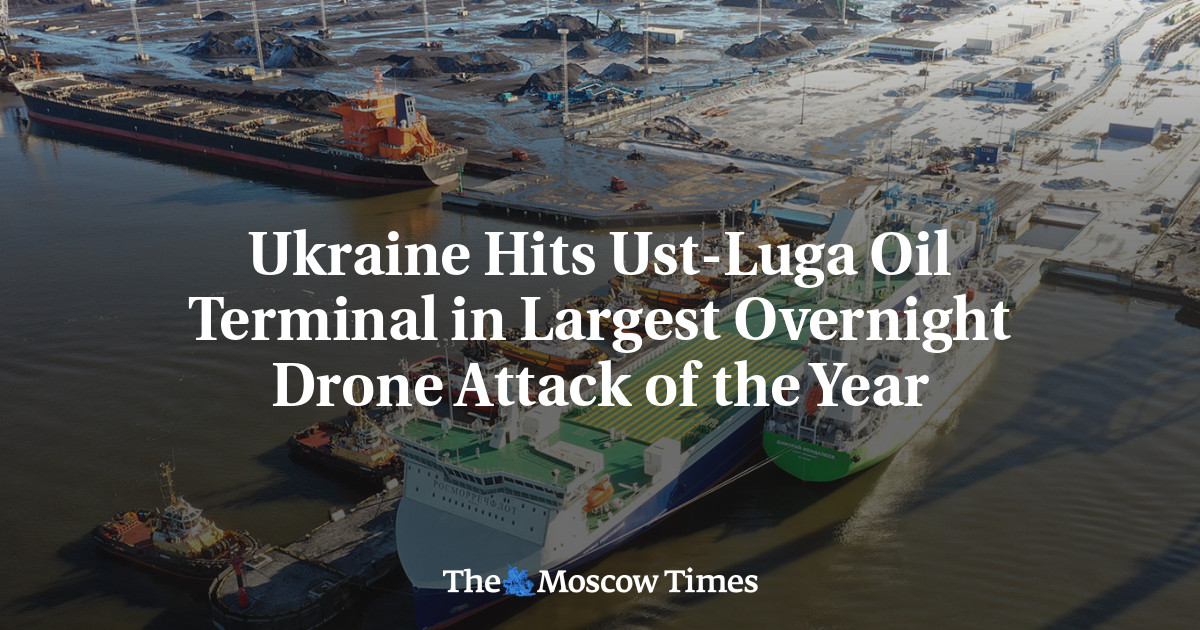
Ukraine's targeting of Ust-Luga while Russia maintains active military operations in eastern Ukraine demonstrates that both sides are now conducting parallel campaigns against each other's economic base rather than concentrating solely on battlefield attrition.
This mirrors the Iran-Israel pattern visible in the prior week's signals—where strikes on Ras Laffan and South Pars gas fields converted energy infrastructure into active military targets.
This attack removes roughly 20% of Russian crude export capacity from the market in a single strike, occurring while global oil supply is already constrained by Hormuz closure and Ras Laffan LNG damage.
The timing amplifies price pressure on both oil and refined products; Ust-Luga feeds European refinery contracts and Asian spot markets. For defense investors, this confirms that energy infrastructure—not just military targets—is now a primary objective in the Russia-Ukraine conflict, signaling a shift toward economic attrition warfare.
Repair timelines and whether Russia can reroute exports through alternative ports will determine whether this is a temporary disruption or a sustained reduction in Russian hard currency earnings.
The article does not specify whether the terminal sustained structural damage requiring weeks of repairs, or if the fires were contained to above-ground storage and can be extinguished within days. Damage assessment will determine whether this is a temporary outage or a multi-week capacity loss.
Fault Lines
Strategic intelligence, synthesized daily — with a public track record. Every call graded against what actually happened.