US Lets Russian Oil Sanctions Carve-Out Expire; Seaborne Relief Ends After Months
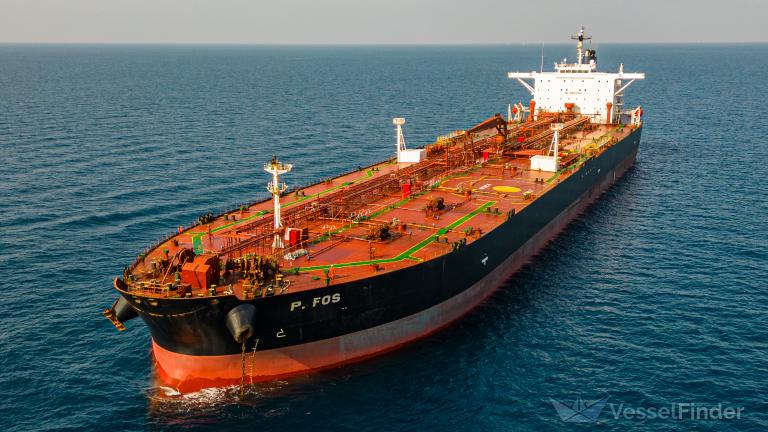
The expiration creates a wedge between US sanctions enforcement and allied energy security. Europe has been buying Russian oil through the carve-out to hedge against Hormuz disruption — the UAE bypass capacity won't be online until 2027, and the Hormuz escort coalition is still being assembled.
If Russia's oil finds buyers through non-seaborne routes, the carve-out expiration forces the US to either pursue secondary sanctions (hitting EU and Chinese intermediaries) or accept that the policy shift is largely symbolic.
This matters to Raytheon, RTX, and Northrop Grumman because it determines whether the Hormuz escort mission is a 2-3 year rotation (if oil markets stabilize) or an indefinite commitment (if Russia floods alternative markets and energy volatility persists).
This closes a revenue valve Moscow was using to fund operations in Ukraine — but the timing exposes a coordination gap between sanctions enforcement and the active Hormuz blockade.
The US is simultaneously restricting Russian energy exports while managing a 26-nation coalition to escort shipping through the Strait of Hormuz and prevent Iran from closing it.
If Russia pivots to non-seaborne routes (rail through Central Asia, pipelines via Turkey or Kazakhstan), the oil carve-out expiration becomes a forcing function for secondary sanctions on land-based infrastructure — which the EU has been reluctant to impose.
Watch whether Treasury issues OFAC guidance on non-seaborne Russian energy transactions within 30 days; that will signal whether this is a real enforcement escalation or a symbolic move.
Did the administration coordinate the carve-out expiration with UK, France, and other Hormuz coalition members, or did it move unilaterally? If unilateral, does Europe view this as escalation or as a domestic political gesture to Congress?
Fault Lines
Strategic intelligence, synthesized daily — with a public track record. Every call graded against what actually happened.