Six Nations Pledge Hormuz Escort Effort; Selective Iranian Blockade Complicates Multinational Response
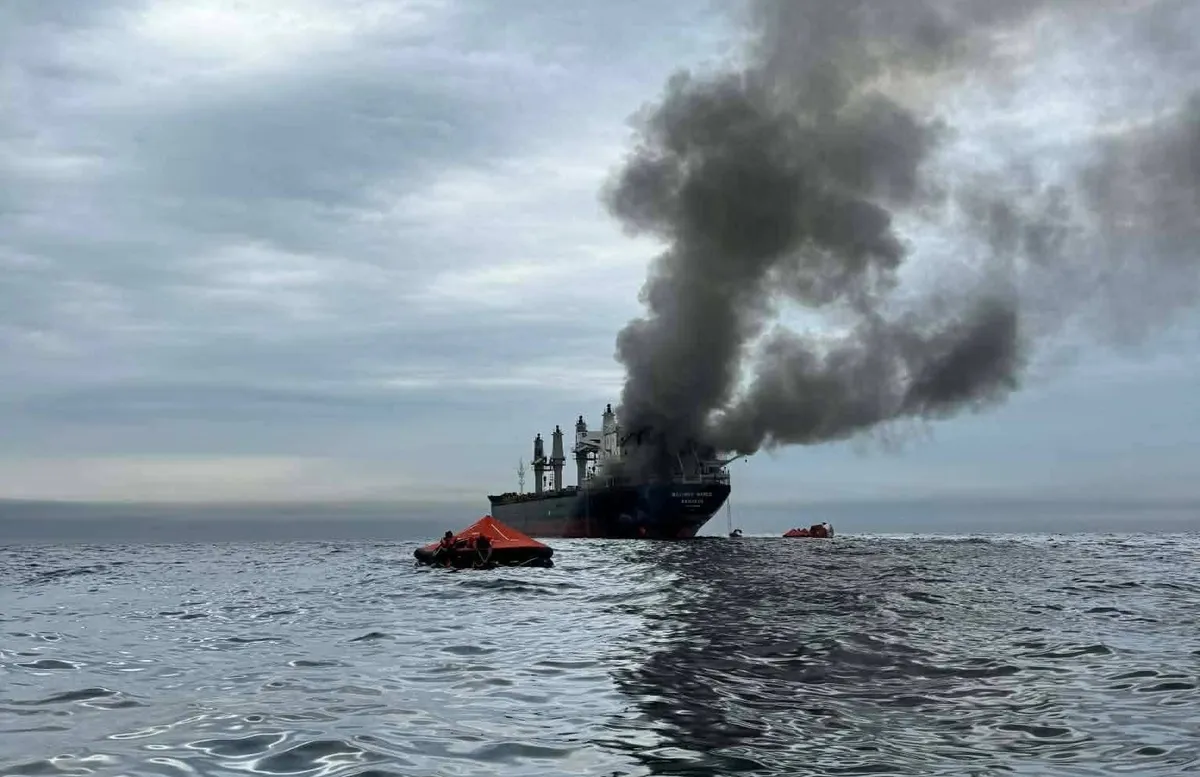
Iran's shift to selective blockade (rather than indiscriminate closure) creates a two-tier transit system where European naval escorts protect only vessels Iran has pre-approved, effectively legitimizing Iranian veto power over global oil markets.
This converts the Hormuz chokepoint from a military problem into a diplomatic one—European navies cannot restore passage; they can only guarantee safe passage for Iran-vetted cargo. If the coalition accepts this framework, it surrenders pricing power to Tehran and locks allied energy security to Iranian approval.
This coalition statement is a response to an already-operational Iranian blockade, not a preventive measure.
The timing matters: Iran has shifted from total closure to a vetting system that grants transit to select nations (China, India, Pakistan per prior reporting), meaning a multinational escort operation would immediately confront the question of whether to enforce passage for vessels Iran has already denied.
The statement names no operational command, no rules of engagement, and no mechanism for distinguishing Iranian-approved versus Iranian-denied transits—critical gaps when the blockade is selective rather than uniform. For defense primes and naval operators, this signals that any Hormuz escort mission will be constrained by geopolitical negotiation, not just military capability.
The coalition excludes the US explicitly (likely due to Trump administration positioning), which weakens enforcement credibility and suggests the operation, if launched, will be led by European navies with limited power-projection capacity in the region.
The article does not specify whether these nations are coordinating with Iran on which vessels will be permitted transit, whether escort rules of engagement allow use of force to protect denied-transit vessels, or whether the US will provide logistical/intelligence support outside the named coalitio...
Fault Lines
Strategic intelligence, synthesized daily — with a public track record. Every call graded against what actually happened.