182 Killed in Israeli Strikes on Lebanon Hours After Iran Ceasefire Announced
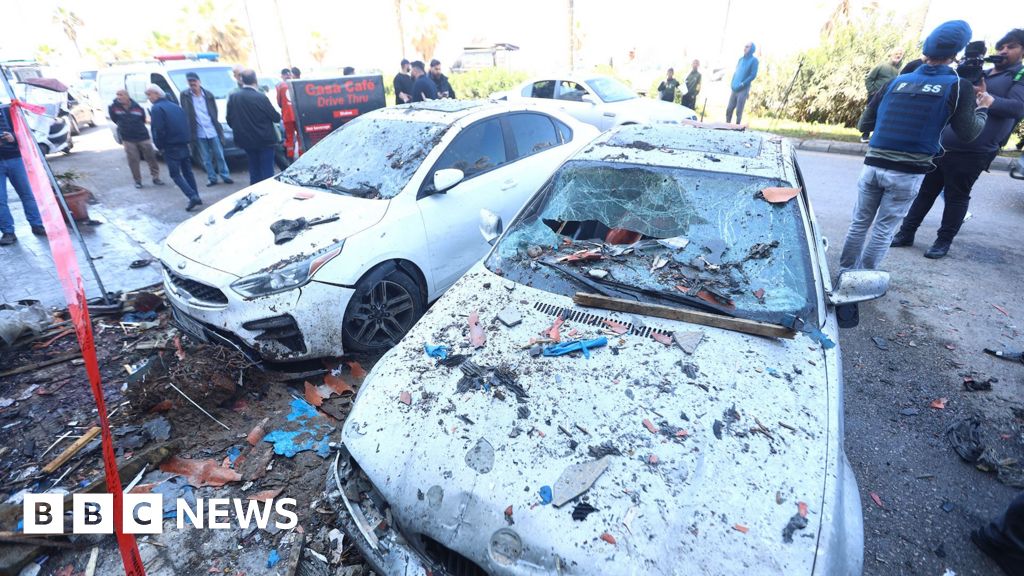
Israel's compartmentalization of Lebanon from the Iran ceasefire breaks the assumption underlying the Trump-brokered truce: that a pause with Iran reduces regional temperature.
Instead, Israel is using the ceasefire window to intensify operations against Hezbollah without Iranian retaliation, which may force Iran to choose between honoring the ceasefire (and appearing weak) or escalating to support its proxy (and triggering US strikes). This directly pressures the ceasefire's two-week survival window.
Israel has explicitly decoupled its Lebanon operations from the US-Iran ceasefire, converting a bilateral US-Iran conflict into a three-front regional war: Iran (paused), Lebanon (active), and Saudi Arabia (attacked April 7).
The scale of casualties (182 in one wave) signals Israel is accelerating operations while US diplomatic attention is consumed by the Iran truce, reducing real-time US constraints on Israeli targeting. For defense primes, this extends the conflict timeline and broadens procurement demand across air defense (THAAD, Patriot), precision munitions, and ISR platforms.
For program managers, it raises the risk that Lebanon escalation will pull US military resources away from Iran contingency planning during the two-week ceasefire window.
The article does not specify whether these strikes targeted Hezbollah military positions, civilian infrastructure, or both.
Fault Lines
Strategic intelligence, synthesized daily — with a public track record. Every call graded against what actually happened.