Space Force Accelerates Kill-Chain Sensor Integration Amid Large-Scale Conflict Planning
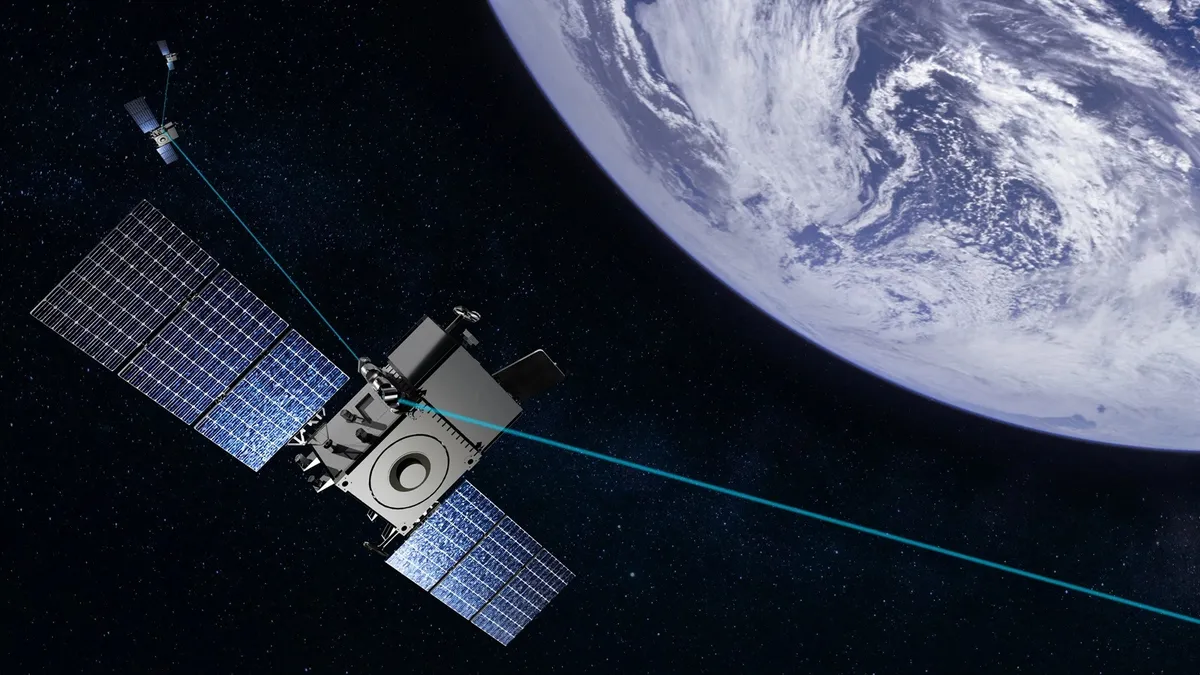
If Space Force prioritizes real-time overhead ISR-to-shooter integration, it compresses decision cycles in Pacific and European contingencies, which in turn forces allied air defense and tactical air platforms to adopt compatible data-link standards.
This creates a procurement constraint: allied nations (Japan, South Korea, NATO) must either retrofit legacy systems or accelerate purchases of Space Force-compatible platforms (F-35, Patriot, THAAD variants), shifting capital allocation timelines and favoring primes with existing integration ecosystems (Lockheed, RTX) over competitors without Space Force certification.
This signals Space Force commitment to real-time targeting architecture — likely meaning accelerated development or fielding of overhead ISR-to-shooter links (satellite imagery, signals intelligence, targeting data relay) that compress sensor-to-fire timelines.
Contractors dependent on legacy stovepiped ISR (Northrop, L3Harris, Lockheed) face either integration demands or margin pressure if Space Force standardizes on new data architectures. The Feb.
24 announcement timing at a defense industry conference suggests budget or capability roadmap details may follow in FY27 budget justification materials, but the article provides no specifics on which platforms (SBIRS, AWACS-replacement, tactical satellites) are in scope or whether this triggers new procurements or accelerates existing ones.
The article does not identify which specific Space Force systems (ISR satellites, communications relays, ground stations) are being upgraded, what the cost or timeline is, or whether this represents new funding or reprioritization within existing budgets.
Fault Lines
Strategic intelligence, synthesized daily — with a public track record. Every call graded against what actually happened.