Army Arctic Exercise Exposes Cold-Weather Tech Failures in Tablets, Drones
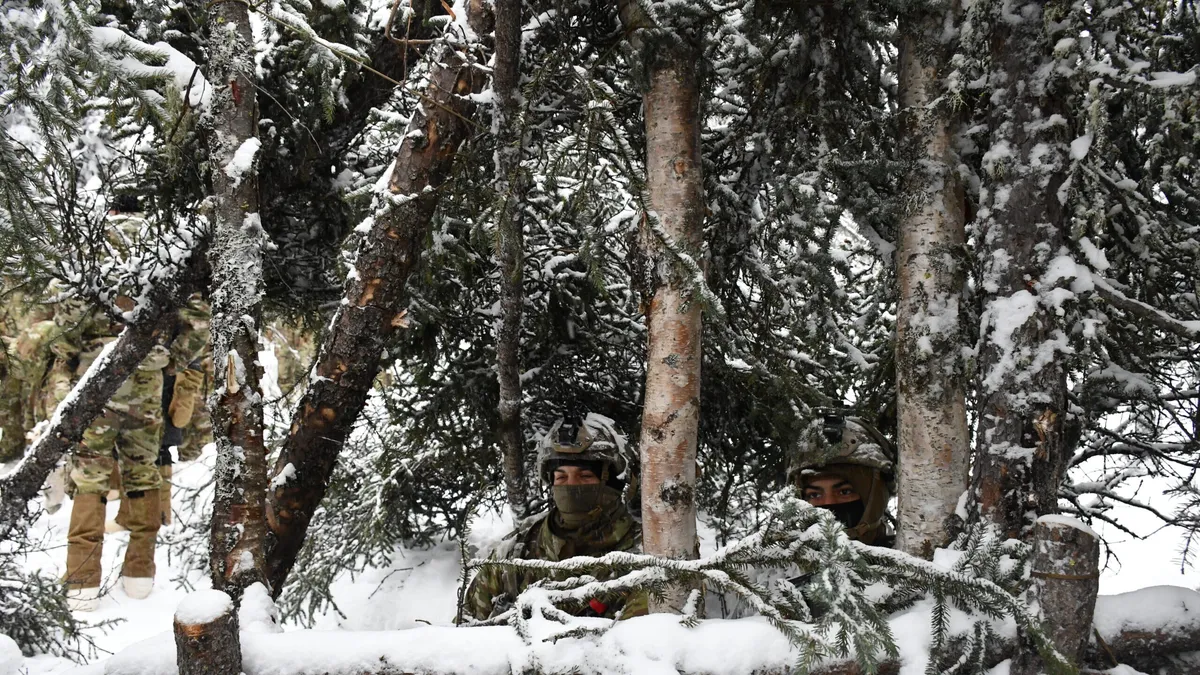
If the Army must procure or retrofit tablets and drones for Arctic operations, it creates a specification-driven procurement action (likely through Army contracting or through existing vendors like General Dynamics, L3Harris, or DJI alternatives).
Cold-weather qualification adds 6-18 months to platform adoption and raises unit costs 15-30%, compressing budgets for other Arctic investments (logistics infrastructure, cold-weather training). This directly affects the timeline for the 11th Airborne's operational readiness posture relative to Russian Arctic capabilities, which the DoD has identified as a priority in recent Arctic strategy documents.
The reported failures are specific to cold-weather performance, not design flaws — tablets and drones are commercially or militarily standard systems being pushed beyond their thermal operating envelopes.
If these are COTS or near-COTS platforms, the Army faces a choice: develop Arctic-hardened variants (cost and timeline), source specialized cold-weather alternatives (supply chain delay), or accept reduced capability in the Arctic theater. The 11th Airborne is the Army's primary Arctic-focused unit; failures here signal readiness gaps for any near-peer scenario involving Russia or Arctic resource competition.
The article does not specify which tablet platforms, drone models, or whether the Army has identified cold-weather specifications for procurement — that gap determines whether this becomes a procurement action or remains an exercise-identified risk.
Which specific platforms failed (tablet OS, drone model, sensor suite)? Were failures due to battery depletion, display freezing, sensor malfunction, or structural damage?
Fault Lines
Strategic intelligence, synthesized daily — with a public track record. Every call graded against what actually happened.