Pentagon Declines to Rule Out Ground Forces in Iran Conflict, Signals Operational Openness
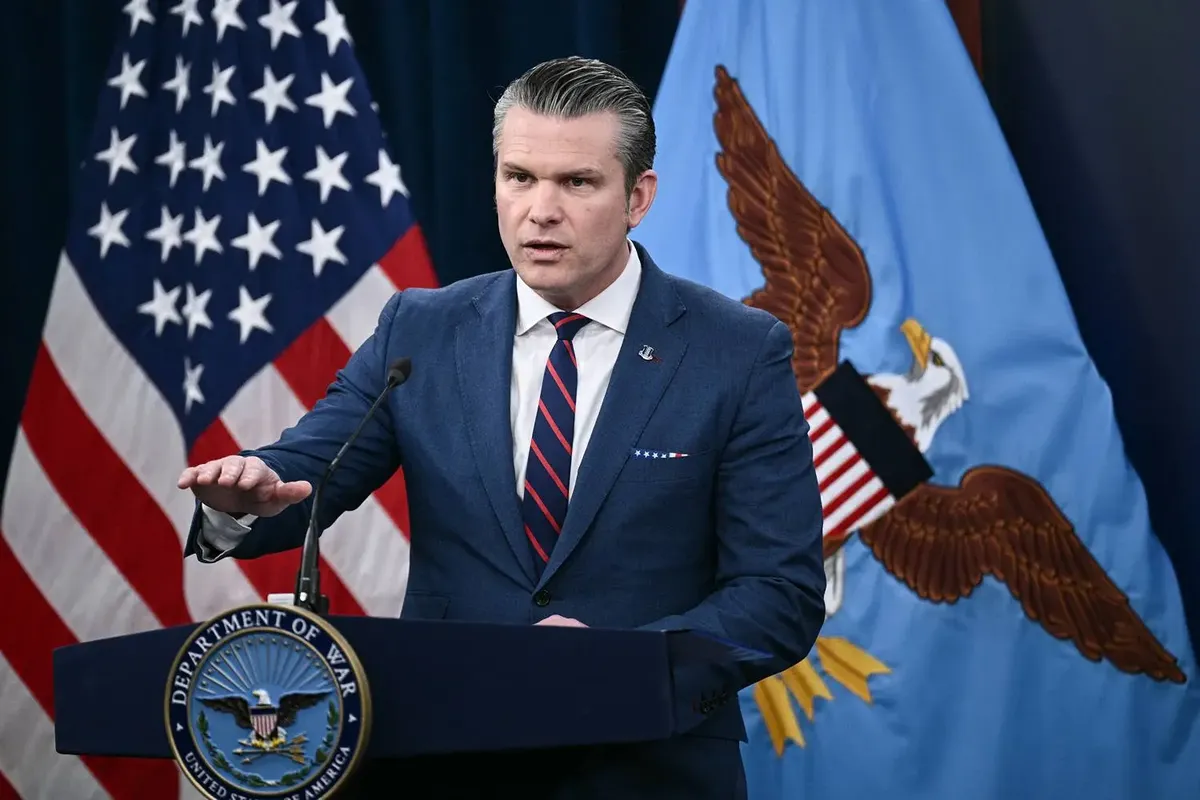
The operational ambiguity on ground forces cascades into two domains. First, it forces defense contractors to maintain higher-cost dual-readiness postures for Middle East logistics and personnel rotations, increasing sustainment contract values for RTX (defense systems), Lockheed (air defense), and DynCorp (training/support) — this becomes visible in Q2 FY27 contract modifications.
Second, it signals to Israel and Gulf allies that U.S. commitment may extend beyond air support, which could accelerate their own ground-force procurement or decelerate it if they assume U.S. burden-sharing; this directly affects Israeli defense spending decisions and Saudi/UAE procurement timelines, altering regional military balance assumptions.
The refusal to rule out boots on the ground contradicts the 'not Iraq' framing and creates ambiguity about force posture planning for Central Command.
This forces defense primes with Middle East sustainment contracts (Lockheed, RTX, General Dynamics) to model dual scenarios — air-dominant versus sustained ground presence — in logistics and personnel planning. It also signals to allied partners (Israel, Gulf states, Iraq) that the U.S. may not constrain itself to air operations, affecting their own force positioning and defense procurement decisions.
The key variable is whether this language reflects actual contingency planning or rhetorical hedging; if operational, it drives near-term airlift and medical readiness posture.
The article does not clarify whether this reflects new operational planning, routine contingency language, or a shift in Trump administration Iran policy.
Fault Lines
Strategic intelligence, synthesized daily — with a public track record. Every call graded against what actually happened.