NASA's Carbothermal Oxygen Extraction Clears Test Phase, Targets Lunar South Pole Operations
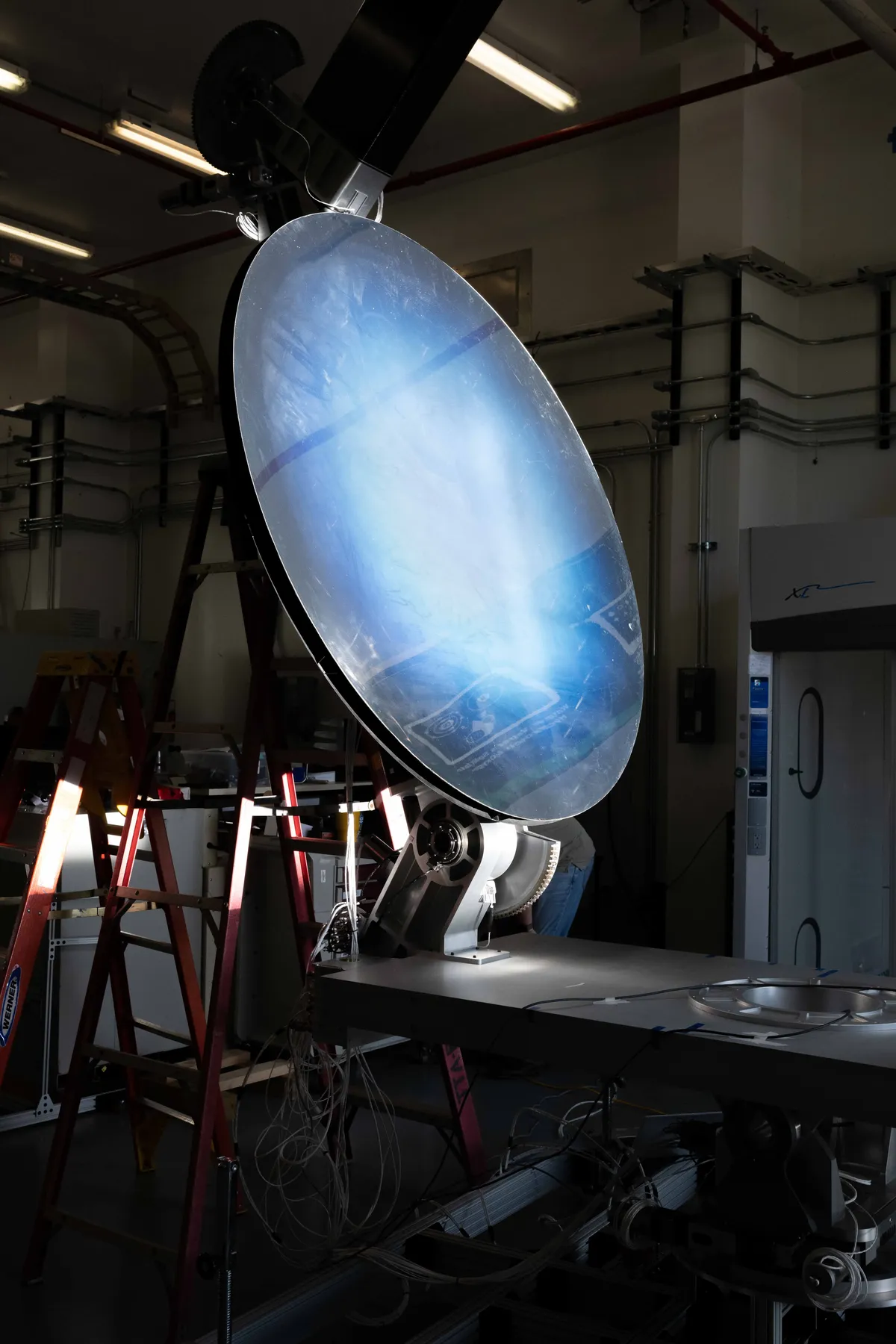
ISRU capability reduces Earth-to-Moon logistics costs, which directly lowers the per-mission procurement burden on NASA and shifts contractor competition from launch volume to surface equipment reliability and modularity.
If CaRD reaches operational status by 2028-2030, it enables NASA to commit to multi-year lunar base contracts with fixed ISRU assumptions, allowing Lockheed and Axiom to lock in lunar logistics revenue and justify sustained workforce investment in lunar systems.
Conversely, if extraction yields prove insufficient or deployment slips past 2030, lunar base missions revert to higher Earth-launch dependency, reducing the strategic value of ISRU-capable landers and favoring high-capacity cargo vehicles instead.
Oxygen extraction from regolith directly reduces the mass that must be launched from Earth to support extended lunar missions, lowering per-mission costs and enabling longer surface stays.
Success here accelerates the timeline for NASA's Artemis lunar base operations and increases the credibility of ISRU-dependent mission architectures — which affects how NASA and its contractors (Lockheed Martin, Axiom Space, Intuitive Machines) bid and schedule lunar logistics contracts for the next 3-5 years.
However, the article provides no data on extraction yield, power efficiency, or timeline to operational deployment, leaving critical questions about commercial viability and cost-per-kilogram unresolved.
The article does not specify: (1) oxygen production rate or mass yield from the test, (2) power requirements and solar concentrator efficiency, (3) timeline to operational deployment at the lunar south pole, or (4) whether CaRD is on the critical path for Artemis base operations or a parallel R&D ef...
Fault Lines
Strategic intelligence, synthesized daily — with a public track record. Every call graded against what actually happened.