Pentagon Shifts $1.55B to E-7 Wedgetail From Navy Hawkeye, Classified Accounts
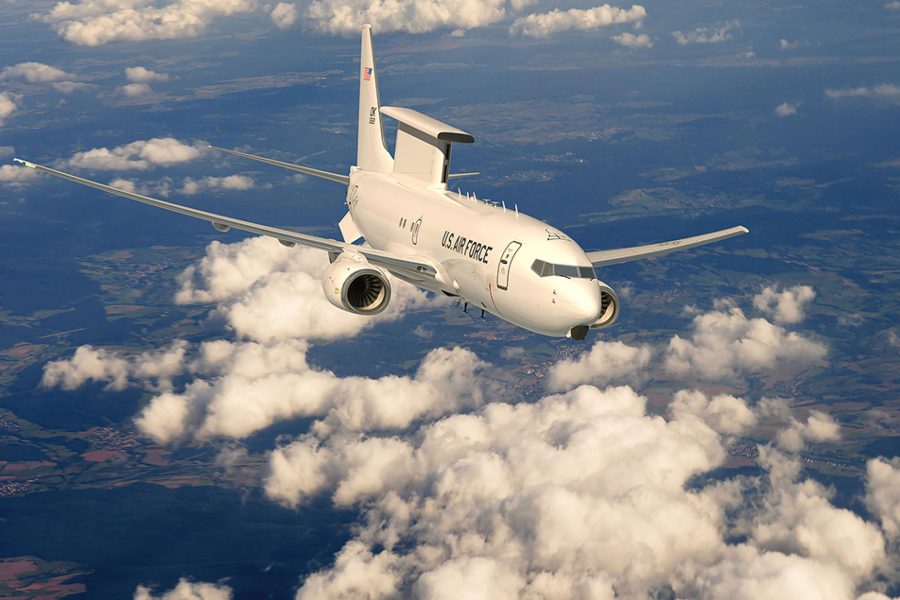
The budget amendment is a proxy for a deeper doctrine fight. The E-7 Wedgetail is larger, more expensive per unit, and requires land-based infrastructure—it's built for theater air defense and joint operations, not organic carrier defense. If the Navy loses Hawkeye production slots, it cannot sustain the replacement cadence for aging airframes.
This forces either a stretched CSG deployment model (fewer carriers in the fleet at any given time) or acceptance of mixed radar generations during carrier operations. RTX, which builds the Hawkeye, will lobby the Hill to restore funding. If Congress capitulates, Wedgetail production slows and Air Force modernization timelines slip—exactly the kind of cross-service friction that cascades into FYDP instability.
This reallocation forces a hard choice on the Navy's organic air defense architecture.
The E-2D Hawkeye is the carrier strike group's primary radar—cutting its production line to fund a land-based alternative means the Navy accepts either extended delivery timelines for new carriers or accepting degraded CSG radar coverage during the 2028-2031 transition window when Wedgetail production ramps.
The $1.55B commitment, sourced partly from classified accounts, suggests Air Force leadership has secured White House backing for the Wedgetail over the Navy's preferred trajectory. Watch the House Armed Services Committee markup in July—if HASC restores E-2D funding, the services are in open disagreement on the radar roadmap.
Did the Navy acquiesce to this reallocation, or is this a Hegseth-driven unilateral move that will surface as a service complaint in the FY28 posture review?
Fault Lines
Strategic intelligence, synthesized daily — with a public track record. Every call graded against what actually happened.