Iran War Disrupts Trump Energy Dominance Plan; Domestic Production Gains Erased by Geopolitical Price Shock
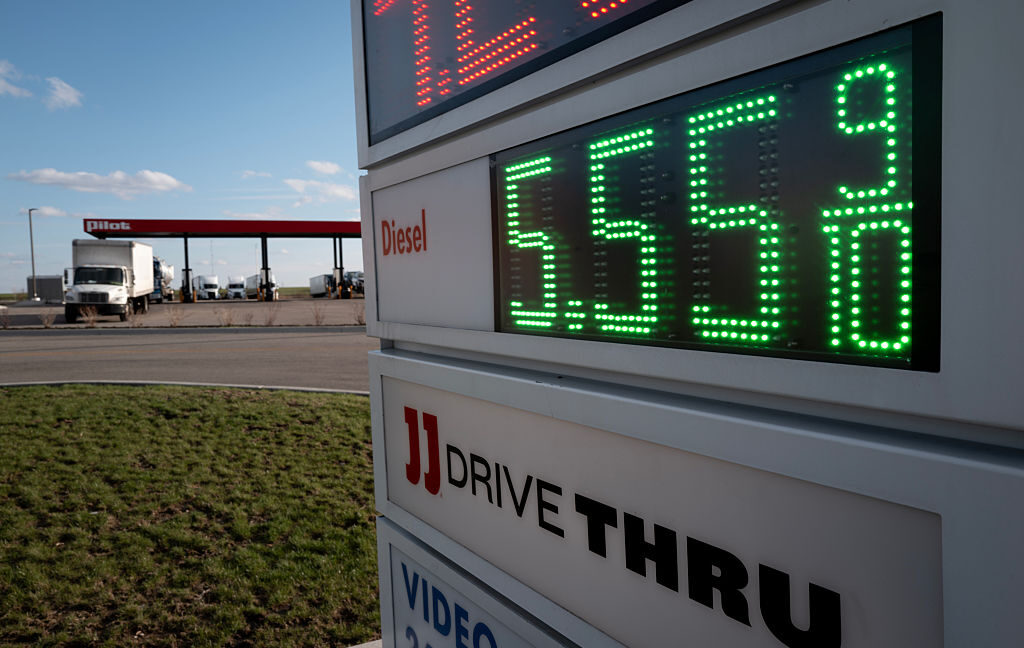
Sustained high energy prices create political pressure on the Trump administration to resolve the Iran conflict, but the Hormuz blockade strategy (already underway per April 11-12 signals) requires continued military commitment to maintain.
If Iran retaliates against blockade enforcement or U.S. vessels, escalation costs rise while energy prices remain elevated — creating a two-front domestic political problem: war costs AND pump prices. This forces a choice between diplomatic concessions (contradicting the 'final offer' rejected by Iran on April 12) or accepting prolonged conflict with eroding domestic support.
This exposes a critical vulnerability in Trump's energy dominance framing: domestic production alone cannot offset geopolitical supply shocks in a globally integrated market.
Drivers experience pump prices tied to Hormuz transit risk and Iranian production offline — not domestic output. This undermines the political narrative supporting continued escalation in the Middle East and creates domestic political pressure to resolve the Iran conflict faster than current military/blockade strategy allows.
The gap between production capacity and price leverage also signals that energy security requires either (1) sustained regional control (Hormuz blockade) or (2) diplomatic off-ramp — neither of which is currently assured.
The article does not quantify the price impact attributable to the Iran conflict versus other factors, nor does it specify which segments of U.S. energy production (shale, offshore, refining) are most exposed to supply-chain disruptions if the conflict escalates further.
Fault Lines
Strategic intelligence, synthesized daily — with a public track record. Every call graded against what actually happened.