Navy Extends Amphibious Deployment Cycle Beyond 36 Months; Force Generation Model Under Review
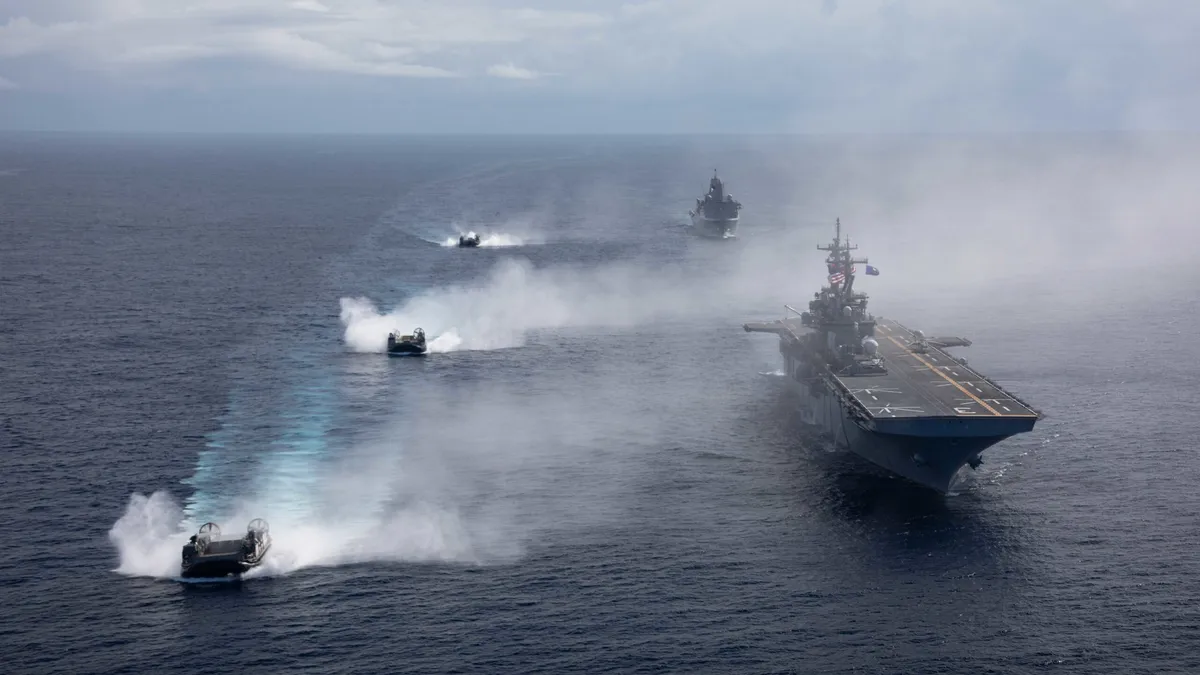
The amphibious force generation crunch cascades into the broader Middle East commitment.
If Navy/Marine Corps are already stretching the 36-month model to support the Iran blockade and Lebanon operations, extending the cycle to 48+ months means fewer ARGs available for rotation — which either locks more ships into the theater longer (reducing flexibility for Indo-Pacific contingencies) or forces acceptance of lower readiness posture in one region to maintain the other.
This directly constrains options for CENTCOM if Trump escalates against Iran or if the Lebanon ceasefire breaks again.
This is a symptom, not a solution.
The services are admitting the 36-month model is broken under current operational tempo — they're generating forces faster than they can rest and maintain them. Extending the cycle doesn't add capacity; it just spreads the same force thinner.
The real driver is the Iran blockade and Lebanon operations (now in their second month without congressional authorization) are consuming amphibious assets faster than the OFRP was designed to support.
If the services move to a 48-month or longer cycle to fit two deployments, they're trading readiness depth for breadth — fewer ships available at higher notice, longer maintenance backlogs, and higher per-deployment wear on platforms. Watch whether this gets codified in the FY27 FYDP or remains ad-hoc rebalancing.
What's the actual utilization rate on amphibious shipping right now? Are they running 2–3 ARGs simultaneously, or is the problem that the two active theaters (Middle East + potential Taiwan contingency) leave no surge capacity?
Fault Lines
Strategic intelligence, synthesized daily — with a public track record. Every call graded against what actually happened.