Iran Relays Nuclear, Hormuz 'Red Lines' to US via Pakistan as Ceasefire Collapses
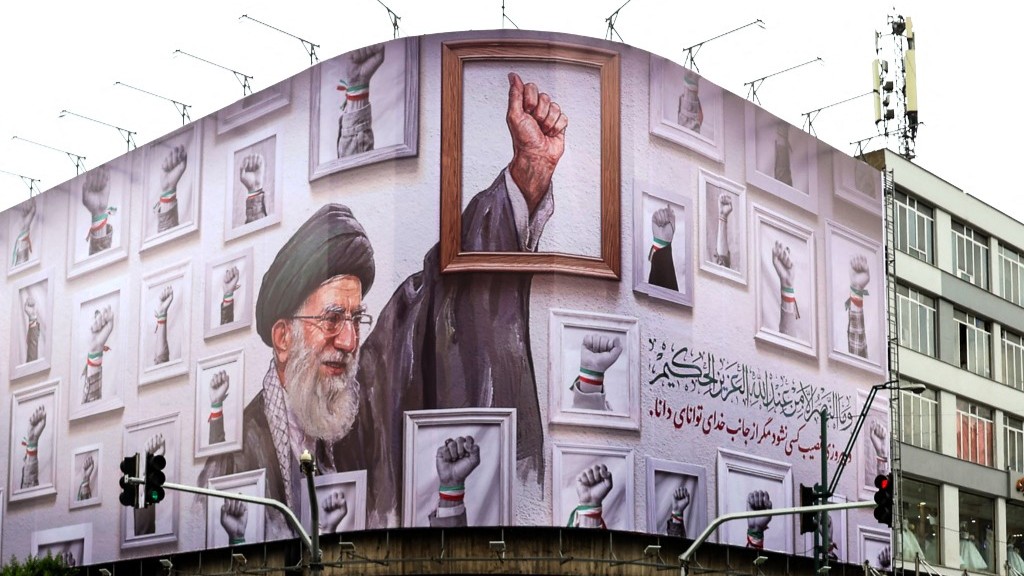
Iran's hardline messaging through Pakistan directly enables escalation in the Hormuz enforcement operation. Hegseth's 'shoot and kill' order on April 24 was issued into a ceasefire context where Iranian mine-laying was technically a violation of Trump's terms.
Now Iran has publicly rejected any constraint on Hormuz operations, converting future US naval strikes from enforcement of a ceasefire into direct response to a declared Iranian red line — a shift that eliminates diplomatic off-ramps and locks both sides into a tit-for-tat cycle.
Israel's simultaneous violation of the Lebanon ceasefire (April 25-26 strikes) compounds this: the US can no longer credibly claim it's enforcing a Trump-backed truce when its closest ally is openly breaking one.
This is Iran signaling it has walked away from substantive negotiation.
Trump canceled his negotiator delegation to Islamabad on April 25 — the same channel Iran is now using to send messages. By routing through Pakistan and framing these as 'red lines' rather than negotiating positions, Tehran is hardening its stance precisely as DoD has authorized lethal force against Iranian shipping globally and three carrier strike groups operate in the Middle East.
The Hormuz red line is the critical tell: Iran is pre-emptively rejecting any US demand to halt mine-laying or drone attacks in the strait, which means the 'shoot and kill' orders Hegseth issued on April 24 are now operating against a declared Iranian red line. This removes ambiguity from the next Iranian response — any escalation in Hormuz is deliberate, not accidental.
What specifically are Iran's nuclear red lines? The article doesn't detail whether Tehran is rejecting inspections, uranium enrichment limits, or all JCPOA-style constraints.
Fault Lines
Strategic intelligence, synthesized daily — with a public track record. Every call graded against what actually happened.