Germany Seeks Direct Trump Talks on Iran War; Berlin Demands Pre-Strike Consultation
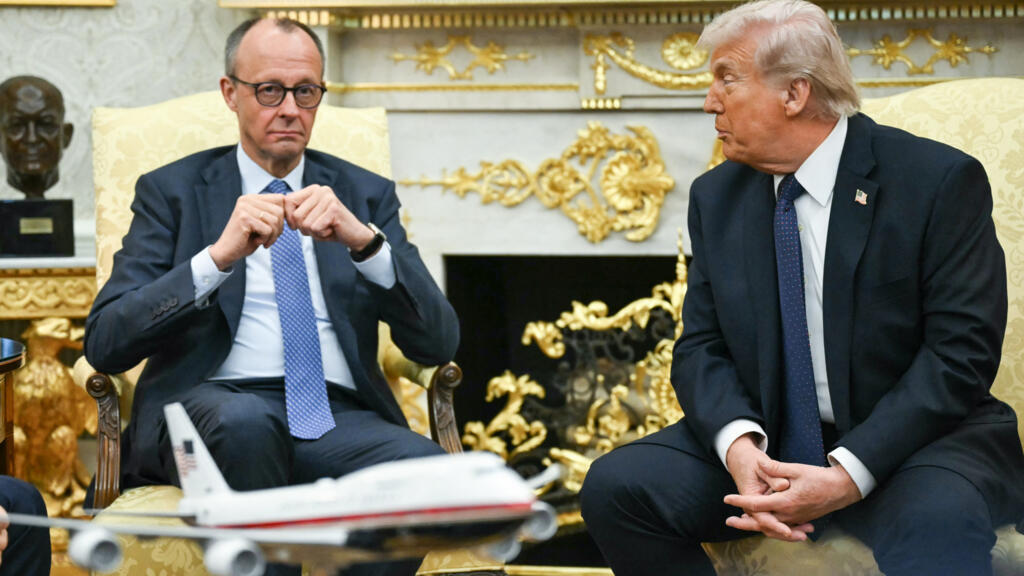
Allied exclusion from strike planning weakens political sustainability of the campaign. If European governments cannot claim input into escalation decisions, domestic opposition to supporting US operations (logistics, basing, intelligence sharing) will harden, forcing the US to conduct operations with reduced allied infrastructure.
Trump's pivot to manage Merz suggests he recognizes this constraint, but a September visit is 6 months away — Iran's current retaliation cycle and Trump's 48-hour Hormuz ultimatum operate on a 48-hour to 5-day timeline, meaning Germany's concerns will not be addressed before the next major escalation decision.
Germany's public complaint about exclusion from strike planning reveals fracture in the US-led coalition at a moment when Iran is conducting sustained multi-domain retaliation (missiles on Israeli nuclear towns, threats to close Hormuz, strikes on Diego Garcia).
If European allies are not embedded in targeting decisions or escalation thresholds, the risk of uncoordinated allied responses increases — Germany may face domestic pressure to distance itself from operations it did not authorize, weakening the political foundation for sustained US operations.
Trump's willingness to schedule a state visit suggests he is managing the alliance rift, but the fact that Merz felt compelled to publicly air the consultation gap indicates the damage is real and requires repair.
The article does not specify what Merz demanded or offered in return for future consultation — whether Germany is seeking veto power, advance notice only, or a seat in targeting committees.
Fault Lines
Strategic intelligence, synthesized daily — with a public track record. Every call graded against what actually happened.