Ukrainian Strike Kills 12 FSB Officers at Donetsk Command Post; Recruitment Infrastructure Targeted
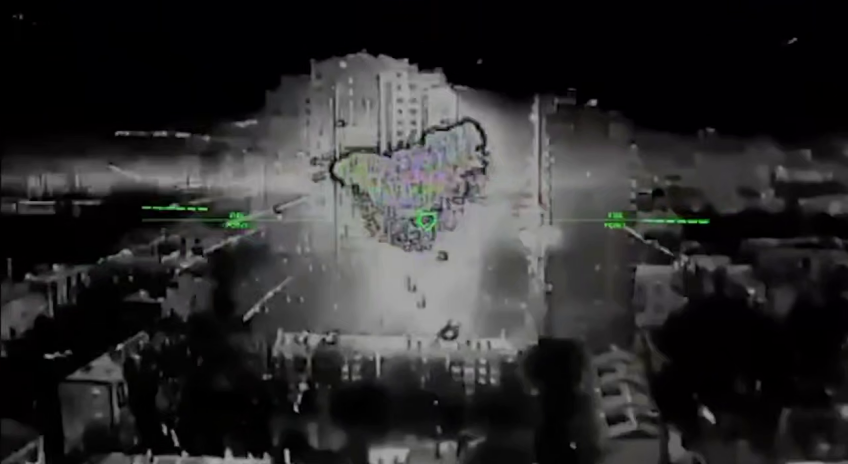
The strike demonstrates Ukraine's ability to target Russian command and control infrastructure with precision munitions, which accelerates allied investment in drone-based ISR and loitering weapon systems.
This validates the operational case for long-range unmanned strike capability that NATO planners are now integrating into air defense and force protection doctrine — directly relevant to the Air Force's shift toward F-15EX procurement (announced April 23) and the broader allied rearmament cycle now underway across Germany, Australia, and the UK.
This is a tactical success against Russian counterintelligence capacity in occupied Ukraine, not a strategic shift.
The FSB's recruitment and sabotage networks in Donetsk are degraded, but Russia will reconstitute command nodes — it has done so repeatedly since 2022. What matters for defense planning: Ukraine is now executing precision strikes against hardened intelligence targets, which signals improved ISR, targeting cycle speed, and drone lethality against point targets.
For U.S. and allied planners, this confirms Ukrainian capability to disrupt Russian rear-area operations. For contractors, it validates drone strike effectiveness in contested territory and will likely drive increased demand for precision loitering munitions and real-time targeting systems in allied inventories. No immediate impact on U.S. procurement timelines or allied force posture.
How many FSB personnel were actually stationed at the facility, and was this a permanent command post or a temporary coordination hub?
Fault Lines
Strategic intelligence, synthesized daily — with a public track record. Every call graded against what actually happened.