Ukraine Halts 40–50% of Russian Baltic Oil Exports via Drone Campaign; Supply Shock Pressures Energy Sanctions Regime
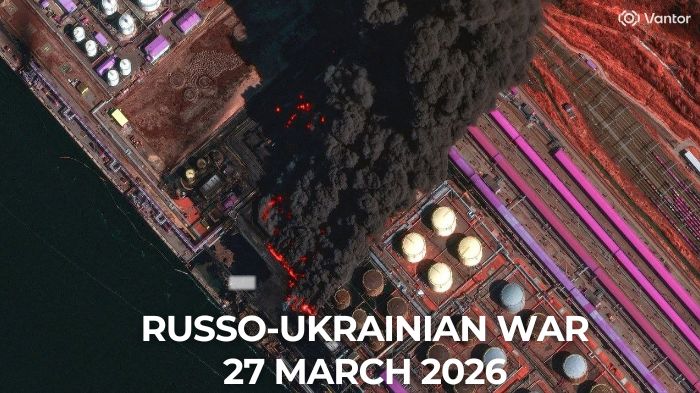
Ukraine's degradation of Russia's Baltic export corridor forces Moscow to absorb higher logistics costs and longer transit times, compressing already-strained energy revenues that fund military procurement and force sustainment.
This directly reduces Russia's capacity to replace combat losses in Ukraine without cutting domestic energy investment or increasing reliance on Chinese financing — a constraint that compounds as the conflict enters its fourth year and attrition accelerates.
This represents a tactical escalation of Ukraine's economic warfare against Russia's primary sanctions-evasion route.
The Baltic corridor has been Russia's most accessible workaround to Western oil embargoes; a 40–50% reduction forces Moscow to rely more heavily on Asian routes (primarily China and India via longer, costlier tanker passages) or accept production cuts.
For energy markets, this tightens global crude supply and raises prices; for defense procurement, it accelerates Russia's energy-sector degradation without requiring Western military intervention in the energy domain.
However, the scale of the disruption depends on whether these figures reflect sustained capability or a temporary spike — Estonian intelligence is credible but the article does not specify whether Ukraine can maintain this tempo or whether Russia is rerouting via alternative Black Sea or Arctic routes.
The article does not clarify whether the 40–50% figure applies to total Russian oil exports or only to Baltic-routed exports, nor does it specify the operational tempo or sustainability of Ukraine's campaign.
Fault Lines
Strategic intelligence, synthesized daily — with a public track record. Every call graded against what actually happened.