QinetiQ Deploys 3D Printing at Clyde Naval Base; On-Demand Submarine Parts Cut Maintenance Delays
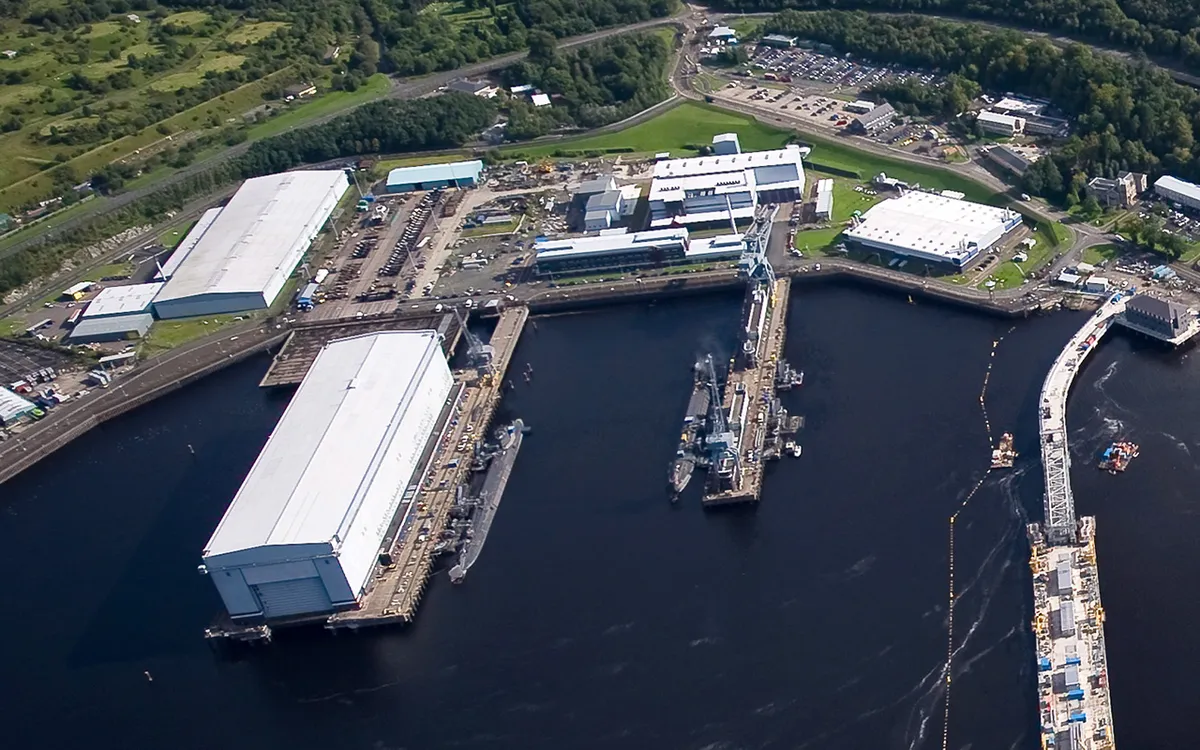
This is incremental but directionally important. The UK submarine fleet is chronically under-resourced — Astute boats average 40% availability due to maintenance backlogs. If Clyde's 3D printing facility can absorb even 20% of the parts demand, it frees up supply-chain capacity for the new Dreadnought-class ballistic missile submarines entering production.
The secondary effect: it establishes a precedent for distributed additive manufacturing at other UK naval bases, which reduces single-point-of-failure risk in the industrial base. However, the technology is only as good as its material qualification — submarine hulls and reactor components require certification that 3D-printed parts have not yet achieved.
This reduces the single largest constraint on UK submarine availability: the maintenance logistics pipeline.
Clyde is home to the Vanguard-class ballistic missile submarines and Astute-class attack boats — the core of UK strategic and conventional undersea capability. If on-site 3D printing cuts maintenance downtime by even 15%, that translates to an additional 1-2 boats in the operational rotation at any given time.
The mechanism is supply-chain compression: parts that normally require 6-12 weeks of procurement and transport now print in days, cutting the critical-path delay.
Watch whether the MOD requests similar facilities at Devonport (where Daring-class destroyers and Queen Elizabeth-class carriers undergo maintenance) — that would signal confidence in the model and a broader pivot toward distributed manufacturing resilience.
What is the actual lead-time reduction? The article claims 'on demand' but doesn't quantify it. Does QinetiQ have the material qualification data for submarine-grade alloys and composites, or is this limited to non-critical components like brackets and fairings?
Fault Lines
Strategic intelligence, synthesized daily — with a public track record. Every call graded against what actually happened.