Ukraine Restructures Military Pay and Service Terms; Opens Recruitment to Foreign Volunteers
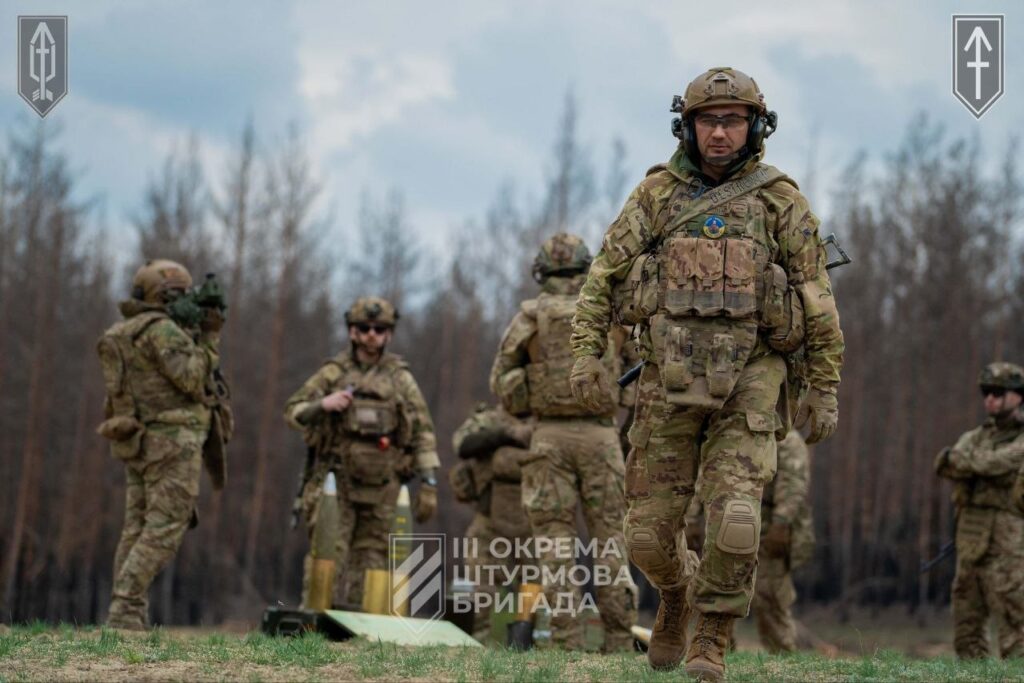
The timing matters: this reform lands as Ukraine sustains 87% air-defense kill rates (per your 2026-06-12 signal) and continues offensive operations in Crimea, indicating manpower churn is outpacing recruitment.
If foreign volunteers comprise a growing share of combat units, NATO countries — particularly Poland and the Baltics — face a secondary question: do foreign fighters in Ukrainian service create legal or political liability for allied nations providing weapons?
The UK's defense budget crisis (Healey resignation, 2026-06-11) and Poland's weapon-delivery delays (2026-06-11) suggest allied industrial capacity is the tighter constraint than Ukrainian manpower. This reform may be solving the wrong problem.
Ukraine is attempting to lock in personnel commitments and stabilize force composition during active conflict — a sign that manpower retention, not just recruitment, has become a binding constraint.
The compensation restructuring suggests Ukrainian defense planners expect sustained high-intensity operations beyond the near term and are pricing risk accordingly. Opening foreign recruitment channels formally acknowledges that Ukrainian recruitment alone cannot fill the gap, and signals to NATO allies that Ukraine is willing to absorb foreign fighters into its command structure — a political and operational shift.
Watch whether this produces measurable recruitment uptick (foreign volunteer throughput) or whether the structural incentives fail to move the needle.
What are the actual compensation figures in the new structure compared to pre-reform rates? The article doesn't specify whether pay increased, decreased, or merely reorganized.
Fault Lines
Strategic intelligence, synthesized daily — with a public track record. Every call graded against what actually happened.