Ukraine Strikes Crimean Bridge Corridor Twice in Four Days; Logistics Hub Degradation Accelerates
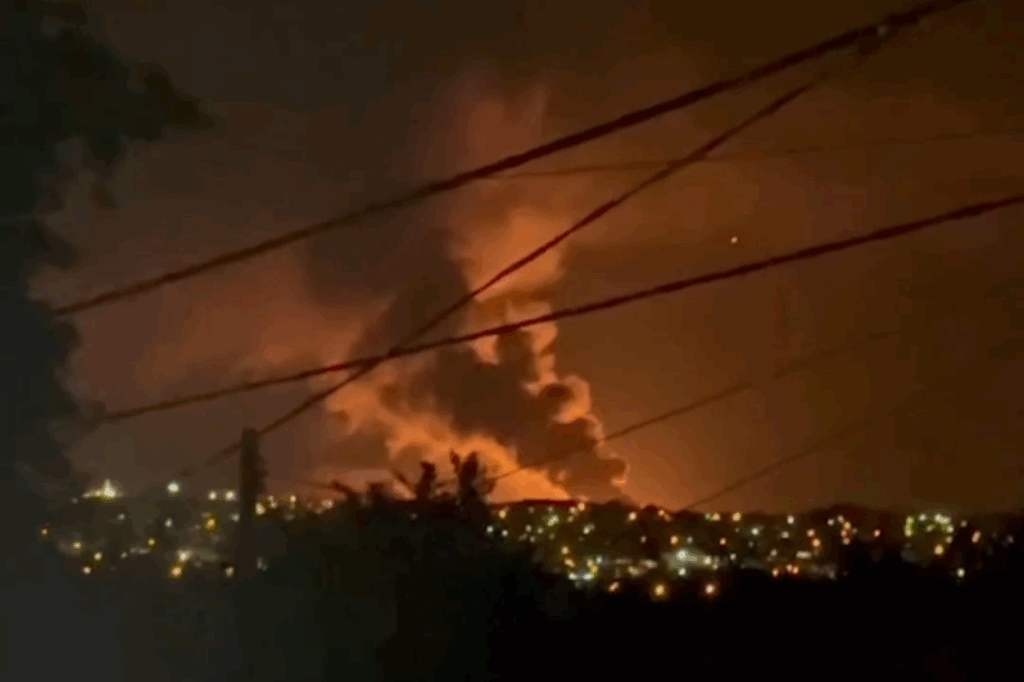
The bridge corridor strike pattern mirrors the refinery campaign: Ukraine is systematically targeting chokepoints where Russia has no redundancy. Moscow's fuel rationing in the capital (June 19 signal) created a domestic political liability; losing the Crimean logistics corridor creates a military one.
If Russia must now truck fuel and ammunition across the strait by ferry or smaller vessels, sortie rates from Crimean airbases drop, and the occupation force's defensive depth erodes. The second-order effect: Sevastopol becomes harder to resupply, which forces Russia to either accept higher casualty rates or thin other sectors of the front to reinforce the peninsula.
Russia's ability to sustain 120,000+ troops on the peninsula depends on the Crimean Bridge corridor as the primary logistics artery — fuel, ammunition, and food move through this bottleneck.
Each successful strike compounds the attrition on refinery capacity already documented in the June 19 signal on Moscow fuel rationing, forcing Russian logistics to choose between diverting finite fuel stocks southward or accepting supply-line degradation in theater.
The timing is critical: if Ukrainian strikes maintain this tempo (three major operations in four days on the Moscow refinery complex, now parallel strikes on the bridge corridor), Russia must either accept creeping supply constraints or commit air defense assets that are already stretched across the front.
Watch whether Russian air defense concentrations shift toward the bridge corridor in the next 7-10 days — that would signal Moscow recognizes the corridor as the binding constraint.
What is the actual damage assessment on the Crimean Bridge structure itself — is Ukraine targeting the roadway, the rail line, or both? The article mentions 'both ends' but doesn't specify which infrastructure sustained damage.
Fault Lines
Strategic intelligence, synthesized daily — with a public track record. Every call graded against what actually happened.