Poland Declines Full Board of Peace Membership, Signals Limits on Ukraine Coalition
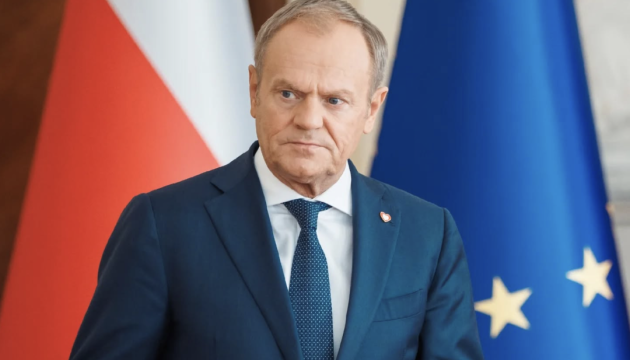
Poland's refusal to join the Board constrains the political legitimacy of any settlement framework it produces, because any agreement lacking Polish endorsement will lack buy-in from the NATO member most exposed to Russian military risk and most invested in Ukrainian military capability.
This forces U.S. planners to either renegotiate the Board's charter to accommodate Polish concerns (delaying timeline and complicating governance) or proceed with a framework that Poland can undermine through non-compliance on security commitments, weapons transfers, or NATO force positioning in the Eastern flank—all of which affect U.S. deterrence credibility in the region.
Poland's observer-only status reveals fracture within the European-led coalition on Ukraine settlement architecture.
As Central Europe's largest NATO contributor and Ukraine's most consistent military supplier, Poland's abstention signals either disagreement with the Board's mandate/composition or domestic political constraints on endorsing a negotiation framework.
This matters for defense planners because it suggests the U.S.-led post-conflict governance model lacks consensus among frontline allies—a prerequisite for binding commitments on security guarantees, weapons sustainment, and force positioning in Eastern Europe.
Watch whether other Visegrad states (Czech Republic, Hungary) follow Poland's lead, which would indicate a regional bloc position rather than an isolated decision.
The article does not explain Poland's stated reasons for observer status—whether objection to the Board's terms, fear of being bound to unfavorable settlement outcomes, or internal coalition disagreements.
Fault Lines
Strategic intelligence, synthesized daily — with a public track record. Every call graded against what actually happened.